

Electronic Toys from Japan: Tamagotchi, Digivice and Collector Essentials
The world of Japanese electronic toys is a vibrant tapestry woven with innovation, nostalgia, and a unique blend of digital and physical play. For many collectors, these devices represent more than just childhood memories; they are artifacts of a cultural phenomenon that captivated a generation and continue to evolve. From the unassuming egg-shaped digital pet to sophisticated gaming peripherals, Japanese manufacturers consistently pushed boundaries, creating interactive experiences that resonated globally. This comprehensive guide aims to navigate the rich landscape of these iconic collectibles, offering insights for both seasoned enthusiasts and those just beginning their journey into the captivating realm of Japanese electronic toys. We’ll delve into their history, categorize their diverse forms, offer crucial advice for acquiring pre-owned treasures, analyze market trends, and explain why Japan remains the ultimate source for these cherished items. Join us as we explore the enduring appeal of Tamagotchi, Digivice, and other collector essentials.
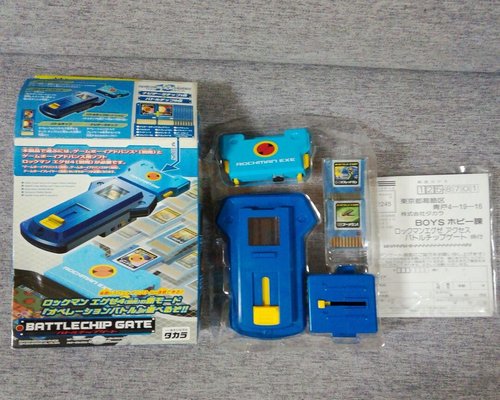
The Golden Age of Japanese Electronic Toys (1990s-2000s, Tamagotchi 1996, Digivice 1997, Battle Chip Gate)
The period spanning the 1990s and early 2000s stands as a veritable golden age for Japanese electronic toys, a time when innovation and digital accessibility converged to create a new breed of interactive play. This era witnessed a boom in consumer electronics, and Japan, always at the forefront of technological advancement, channeled this energy into creating captivating, portable, and often wildly successful toys. These devices weren’t just games; they were companions, adventures, and extensions of popular media, defining the childhoods of millions worldwide. The sheer ingenuity and cultural impact of creations like the Tamagotchi and Digivice cemented this period as a foundational chapter in toy history. The excitement generated by these groundbreaking products fueled a relentless cycle of development, leading to increasingly sophisticated iterations and entirely new categories of electronic entertainment.
Tamagotchi: The Digital Pet Phenomenon
The phenomenon began in 1996 with Bandai’s release of the **Tamagotchi**. This unassuming, egg-shaped device introduced the world to the concept of a virtual pet, a digital life form requiring constant care and attention. Players were responsible for feeding, playing with, disciplining, and cleaning up after their pixelated creature. The genius of the Tamagotchi lay in its real-time clock, which meant the pet’s needs progressed even when the device was not actively being played with, fostering a genuine sense of responsibility and attachment. Its global success was immediate and profound, sparking a worldwide craze, countless imitators, and establishing digital pets as a legitimate and highly lucrative toy category. The Tamagotchi proved that emotional connection could be forged with pixels on a tiny LCD screen, forever changing the landscape of interactive entertainment.
Digivice: Adventures in the Digital World
Building on the success of interactive digital companions, Bandai introduced the **Digivice** in 1997, a device that intertwined monster-raising with adventure and battling, intrinsically linked to the burgeoning *Digimon* franchise. Unlike the sedentary Tamagotchi, the original Digivice and its successors like the **Pendulum** series incorporated a pedometer, encouraging physical activity by having the player walk to encounter enemies, train their Digimon, and progress through digital areas. This innovative blend of real-world movement and in-game progression created a dynamic and immersive experience. Collectors often differentiate between the various models, such as the original Digivice from *Digimon Adventure*, the D-3 from *Digimon Adventure 02*, and the D-Ark from *Digimon Tamers*, each offering unique features, monster rosters, and evolving gameplay mechanics that deepened the connection to the anime’s narrative.
Beyond Pets: The Battle Chip Gate and More
While digital pets captured significant market share, the era also saw the rise of innovative gaming peripherals that blurred the lines between physical and digital play. A prime example is the **Battle Chip Gate** for the *Mega Man Battle Network* series on the Game Boy Advance. This accessory allowed players to physically insert real-world “Battle Chips” into a gate connected to their GBA, instantly activating the corresponding attack or ability within the game. This tangible interaction elevated the gameplay experience, making battles more strategic and collectible. Other notable mentions include various card-reading devices, portable music players that incorporated gaming elements, and unique controllers for niche arcade ports. These devices showcased Japan’s commitment to enhancing digital experiences through novel physical interfaces, establishing a legacy of creativity that collectors cherish today.

Key Categories
The breadth and depth of Japanese electronic toys extend far beyond the well-known digital pets, encompassing a fascinating array of devices designed for entertainment, interactivity, and even musical expression. For collectors, understanding these key categories is essential for appreciating the scope of innovation and identifying diverse avenues for their passion. Each category presents its own unique historical significance, design philosophies, and collectibility factors, making the landscape rich and varied. From the smallest pocket companion to elaborate controllers, these categories represent different facets of Japan’s ingenious approach to electronic play.
Digital Pets and Virtual Companions
This category, spearheaded by the **Tamagotchi** and **Digivice**, represents perhaps the most iconic contribution of Japanese electronic toys. The evolution of digital pets has been remarkable, from simple black-and-white LCD screens to full-color displays and advanced connectivity. Modern Tamagotchi iterations like the **Tamagotchi On/Meets** and the **Tamagotchi Smart** incorporate touchscreens, Bluetooth, and downloadable content, allowing pets to marry, have children, and visit virtual towns. The **Digimon** line, including the **Digimon Pendulum** and **Digivice** series, continued to evolve, integrating pedometer features with increasingly complex monster evolution trees and battling systems. Beyond these giants, devices like **Pocket Pikachu** offered a charming virtual companion that also served as a pedometer, rewarding players for their steps with Watts to buy items for Pikachu. Collectors often specialize in specific lines, tracing the technological and design progression through generations of these beloved virtual friends.
Gaming Peripherals and Interactivity
Japanese electronic toys have consistently pushed the boundaries of gaming by introducing innovative peripherals that extend gameplay beyond a standard controller. The **Battle Chip Gate** for *Mega Man Battle Network* is a prime example, allowing players to utilize physical “Battle Chips” in-game, creating a tangible link between the real and virtual worlds. Another fascinating development was the **Aru Koto Densi** series, which provided pedometer-style accessories for Game Boy games, rewarding physical activity with in-game currency or progress. The **e-Reader** for the Game Boy Advance allowed players to swipe special cards to unlock mini-games, items, or classic NES titles, effectively blending collectible trading cards with digital content. Furthermore, the robust arcade culture in Japan inspired many console peripherals, such as highly accurate **Beatmania controllers**, **Taiko no Tatsujin drum sets**, and various fishing rod or racing wheel accessories, offering an arcade-like experience in the home. These peripherals often represent unique collectible challenges due to their specialized nature and compatibility requirements.
Music Devices and Novelty Gadgets
Beyond gaming and virtual pets, Japan has a history of creating unique electronic devices that blend technology with musical creativity and whimsical novelty. The **Otamatone**, a distinctive musical instrument shaped like an eighth note, is a quirky yet surprisingly versatile electronic synthesizer that has gained global recognition. Early portable music players from Japanese brands often incorporated unique interfaces or quirky designs, standing out from more conventional MP3 players. Smaller, toy-like synthesizers from companies like Korg and Yamaha offered simplified, accessible ways for aspiring musicians to experiment with electronic sounds. Voice changers, mini-karaoke machines, and robotic companions that respond to voice commands or movement also fall into this category. While not always directly “toys” in the traditional sense, these devices often appealed to the same demographic of tech-curious individuals who appreciated innovative electronic gadgets. Their playful designs and unique functions make them intriguing additions to any collector’s display.

Collectors Buying Guide for Pre-Owned Electronic Toys
Acquiring pre-owned Japanese electronic toys can be an immensely rewarding experience, unearthing forgotten treasures and expanding one’s collection with pieces that hold significant historical or sentimental value. However, the nature of vintage electronics means that careful inspection and informed decision-making are paramount. Unlike sealed products, pre-owned items come with a unique set of considerations, and a knowledgeable collector approaches each potential purchase with a keen eye and a methodical checklist. This guide aims to equip fellow collectors with the essential knowledge to make wise investments and avoid common pitfalls when navigating the second-hand market, ensuring that your newfound treasure remains functional and aesthetically pleasing for years to come.
Condition Assessment: Exterior and Interior
The first step in evaluating any pre-owned electronic toy is a thorough visual and functional assessment. Start with the **battery compartment**; this is often the Achilles’ heel of vintage electronics. Look for any signs of corrosion from leaky batteries – white powdery residue, green or blue crust, or rust on the metal contacts. Corrosion can be a death sentence, making a non-functional device incredibly difficult to revive. Next, scrutinize the **screen**. Check for scratches, dead pixels, ghosting (faint remnants of previous images), or significant fading, especially on older LCD screens. If the device has a backlight, ensure it functions correctly and evenly. **Buttons and inputs** must be responsive, clicky (if designed to be), and not sticky. For Digivices, specifically test the pedometer function by shaking or walking with the device, and ensure all connectivity ports (IR, link cables) are clean and appear functional. Lastly, examine the device’s **shell or casing** for cracks, deep scratches, severe yellowing (common on light-colored ABS plastics), or missing components like the battery cover, which can significantly impact value and usability.
Functionality Testing Essentials
Beyond visual inspection, proper functionality testing is crucial. If purchasing online, always request a video demonstrating the toy working fully. This video should ideally show the device powering on, navigating through menus, responding to all button presses, and showcasing any unique features like battling or virtual pet care. For a Tamagotchi, verify that the time can be set, the pet grows, and all care functions (feed, play, clean) work as expected. For a Digivice, ensure the pedometer tracks steps accurately, battling initiates successfully, and connection features with other devices (if applicable) are operational. Listen carefully to the **sound** output; verify the volume is appropriate, there’s no static or crackling, and all intended sound effects play clearly. Don’t be afraid to ask specific questions about any known issues with a particular model, as some toys have common failure points (e.g., screen degradation on certain models, fragile connection pins).
Original Packaging and Accessories
While not directly impacting functionality, the presence of **original packaging and accessories** can significantly increase an item’s value and desirability among collectors. A “Mint In Box” (MIB) or “New Old Stock” (NOS) item with its original sealed packaging commands the highest premium. “Complete In Box” (CIB), which includes the box, manual, and all original inserts and accessories (straps, keychains, bonus chips), is also highly sought after. These additions not only enhance the display value but also provide a historical context, often containing unique artwork, instructions, and marketing materials from the toy’s original release. Even for loose items, the presence of the original manual can be invaluable for understanding obscure functions or troubleshooting. Always weigh the importance of these extras against your budget and collecting goals; a functional loose item might be perfect for a player, while a CIB item is ideal for a dedicated display collector.

Value Trends
Understanding the value trends in the market for Japanese electronic toys is a critical skill for any serious collector. Unlike more traditional collectibles, the value of these digital artifacts is often influenced by a complex interplay of nostalgia, technological advancements, cultural phenomena, and the ever-shifting dynamics of supply and demand. What might seem like a simple toy can, over time, appreciate significantly due to its rarity, unique features, or its connection to popular media. Navigating these trends requires not only an appreciation for the toys themselves but also an awareness of the broader factors that contribute to their market worth.
Limited Collaborations and Exclusives
One of the most significant drivers of value in the Japanese electronic toy market is the existence of **limited collaborations and exclusive editions**. Japanese manufacturers, particularly Bandai, are masters of creating hype through scarcity. Special color variations, event-exclusive releases (e.g., those sold only at *Digimon* or *Tamagotchi* conventions), and collaborations with popular franchises or brands (such as Sanrio, One Piece, or specific anime series for Tamagotchis and Digivices) consistently command higher prices. These items are often produced in smaller quantities, making them harder to acquire and thus more desirable. For example, a Tamagotchi P’s with a rare character Pierce or a Digivice from a specific movie or limited-run anime anniversary will almost certainly appreciate faster and hold higher value than a standard release. Collectors often prioritize these unique variants, understanding their potential for significant appreciation.
Nostalgia Wave and Re-releases
The cyclical nature of **nostalgia** plays a huge role in the value of these toys. As generations who grew up with Tamagotchi and Digivice enter their prime earning years, there’s a strong desire to recapture a piece of their childhood. This “nostalgia wave” drives demand for original, well-preserved units. Interestingly, manufacturers sometimes capitalize on this by releasing **re-releases** or “mini” versions of classic toys (e.g., Tamagotchi Mini, Tamagotchi Original Gen 1/2). While these re-releases can satisfy casual nostalgia, they often have a dual effect on the value of original items: they can reignite interest in the entire line, sometimes driving up the value of truly rare originals, but they might also slightly depress the value of common original models that are now easily accessible in a new form. True collectors, however, often prefer the *authenticity* and original hardware of the vintage release, valuing the genuine article over a modern reproduction.
Condition and Completeness Premiums
As with any collectible, the **condition and completeness** of a Japanese electronic toy significantly impact its market value. An item that is **Mint in Box (MIB)** or **New Old Stock (NOS)**, meaning it’s unopened and untouched, will always command the highest premium. These are investment-grade items, appealing to collectors who prioritize pristine presentation and historical accuracy. Next in line are **Complete In Box (CIB)** items, which include the original box, manual, and all accessories. Even if the item itself has been used, the presence of its original accompaniments adds substantial value. For loose items, excellent condition without significant scratches, screen damage, or battery corrosion will fetch a much better price than a heavily played-with or damaged unit. The distinction between a “player’s item” (functional but cosmetically imperfect) and a “display item” (pristine for show) is crucial, with display items consistently attracting higher prices.
Community Influence and Market Fluctuations
The passionate online **community** around Japanese electronic toys can also exert considerable influence over value trends. Forums, social media groups, and YouTube channels dedicated to Tamagotchi, Digimon, and other devices can spotlight particular models, discuss rare features, or even create sudden spikes in demand. Anniversaries of popular anime franchises, the release of new games, or even popular content creators featuring a specific toy can all cause market fluctuations. Keep an eye on these communities, as they often provide early indicators of items gaining traction. Understanding these dynamic influences is key to making informed buying and selling decisions in this ever-evolving collector’s market.

Why Source from Japan
For collectors of Japanese electronic toys, the origin country itself is not just a point of reference; it’s a primary sourcing destination. There are compelling and distinct advantages to looking directly to Japan when seeking out these coveted items, making it the ultimate hub for dedicated enthusiasts. From the inherent cultural practices that foster preservation to the sheer volume of unique models, sourcing from Japan offers unparalleled access and quality that is difficult to replicate elsewhere. Understanding these advantages is key for any collector looking to expand their collection with authentic, well-preserved, and rare finds.
The Heart of Collector Culture and Preservation
Japan boasts a deeply ingrained **collector culture** and a remarkable tradition of **preservation**. Japanese consumers are renowned for taking meticulous care of their possessions, from electronics to toys. This cultural ethos means that even pre-owned items are often found in significantly better condition than their international counterparts. It’s not uncommon to discover vintage electronic toys, like early Tamagotchis or Digivices, still in their original boxes, complete with manuals and all inserts, sometimes even appearing as “new old stock” (NOS) despite being decades old. The domestic market for second-hand goods is robust, supported by numerous specialized shops and online platforms that cater specifically to collectors, further reinforcing a cycle of care and value retention. This high standard of preservation is a massive draw for international collectors seeking pristine examples for their displays.
Exclusive Models and Regional Variants
Many of the most sought-after Japanese electronic toys were either **Japan-exclusive** or featured significant **regional variants** not released elsewhere. Early Tamagotchi models often had unique shells, character rosters, and game mechanics specific to the Japanese market. The same applies to the Digivice series, where numerous models, specific Digimon, or limited-edition colors never made it to international shores. Furthermore, many of the fascinating gaming peripherals and niche electronic gadgets discussed earlier were developed solely for the Japanese domestic market, making them virtually impossible to find elsewhere. Sourcing directly from Japan provides access to the widest variety of models and versions available, allowing collectors to complete their sets and acquire the rarest and most unique pieces that define the hobby.
Access to Specialist Retailers and Auctions
Japan’s infrastructure for second-hand goods is exceptionally well-developed. Collectors have access to a wealth of **specialist retailers** and online **auction platforms** that are dedicated to vintage toys and electronics. Renowned stores like Mandarake, Suruga-ya, and Book-Off (online and physical) frequently stock a vast array of electronic toys, often at competitive prices. Online platforms such as Yahoo Auctions Japan and Mercari Japan are treasure troves, offering daily listings from individual sellers and smaller shops. While direct international shipping can sometimes be a hurdle, **proxy services** (e.g., Buyee, ZenMarket) seamlessly bridge this gap, allowing international collectors to bid on and purchase items from these Japanese-only sites with ease. These services handle communication, payment, and international shipping, making the vast Japanese market accessible to anyone, anywhere.
Authenticity and Trust
Finally, sourcing from Japan generally comes with a high degree of **authenticity and trust**. Compared to some other collectible markets, the risk of encountering counterfeits for niche electronic toys from Japan is relatively low. Japanese sellers, whether individuals or established businesses, typically have a strong reputation for accurate product descriptions, detailed photographs, and reliable service. They often clearly document any flaws or imperfections, giving buyers a clear understanding of what they are purchasing. This transparency and dedication to honest dealings provide peace of mind for collectors investing in rare and valuable items, making Japan a trustworthy destination for building an authentic and impressive collection.

Conclusion
The journey through the world of Japanese electronic toys reveals a captivating intersection of technological innovation, cultural phenomenon, and enduring nostalgia. From the pioneering digital companionship of the Tamagotchi to the adventurous spirit of the Digivice and the ingenious interactivity of gaming peripherals, these devices have left an indelible mark on the landscape of play and collecting. They represent more than just plastic and circuit boards; they embody memories, stories, and a testament to Japan’s unique vision in bringing digital experiences to life in the palm of one’s hand. For the dedicated collector, the pursuit of these treasures is a passion that blends historical appreciation with the thrill of discovery.
The golden age of the 1990s and 2000s undeniably set the stage, giving birth to concepts that continue to resonate and evolve. Understanding the various categories, from virtual pets that nurture empathy to peripherals that enhance gaming, allows collectors to appreciate the incredible diversity and ingenuity packed into these compact electronics. The intricate art of buying pre-owned toys, with its focus on meticulous condition assessment and functionality checks, transforms a simple purchase into a careful, informed investment. Moreover, recognizing the intricate value trends driven by limited editions, the ebb and flow of nostalgia, and the crucial role of condition helps collectors navigate the market with strategic insight.
Ultimately, sourcing from Japan itself offers an unparalleled advantage, providing access to a culture of meticulous preservation, a plethora of exclusive models, and a trustworthy marketplace. For fellow collectors, this guide serves not just as an informational resource, but as an encouragement to dive deeper into this fascinating hobby. The joy of holding a perfectly preserved Tamagotchi from your childhood, connecting two Digivices for a battle, or discovering a rare peripheral from an obscure Japanese game is truly unique. As these devices age, their legacy only grows, reminding us of a time when technology first taught us to care for digital lives and interact with virtual worlds in wonderfully tangible ways. The future of collecting these items is as bright as their past, promising continued discoveries and a vibrant community dedicated to preserving these miniature marvels of Japanese innovation.


コメント