
Guide to Games: authentic original Japanese collectibles, inspected one by one, with worldwide shipping from Japan. Discover standout Games pieces.
What Collectors Look for in Japanese Games
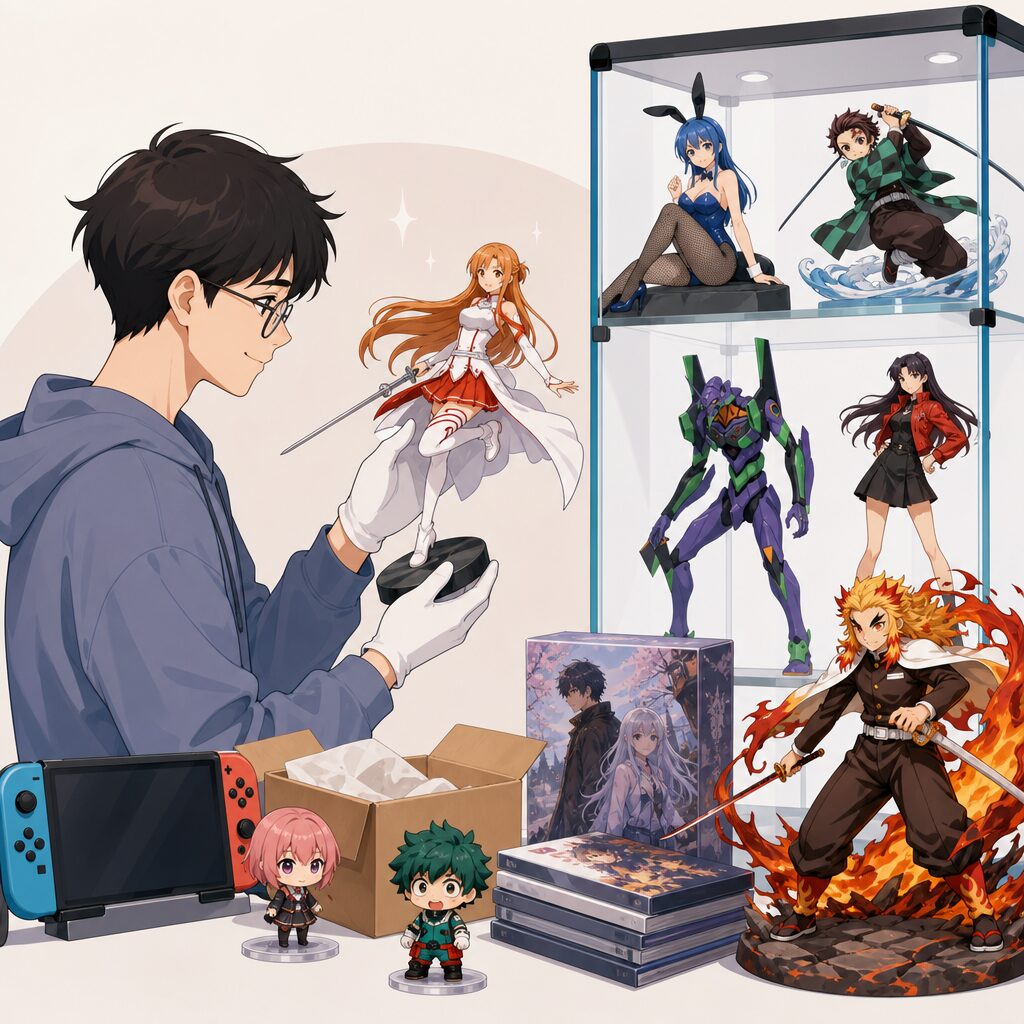
Japanese game collecting goes far beyond simply owning a title — serious collectors prioritize condition, completeness, and regional exclusivity. A game’s value is heavily tied to whether it includes its original box, manual, and any supplementary inserts such as registration cards, spine cards, or promotional flyers. These items, often discarded by casual players, can dramatically affect a piece’s desirability and market price. First-print editions are particularly sought after, as they sometimes feature alternate cover art, different color cartridge labels, or packaging that was later revised for subsequent runs.
Beyond completeness, collectors pay close attention to Japan-exclusive releases — titles that were never localized in Western markets. These represent a unique slice of gaming history that simply cannot be replicated by purchasing domestic versions, making them cornerstones of any serious import collection. Role-playing games, visual novels, and arcade ports with region-locked content are especially prized for this reason.
Authenticating Japanese Games: Spotting Originals vs. Reproductions
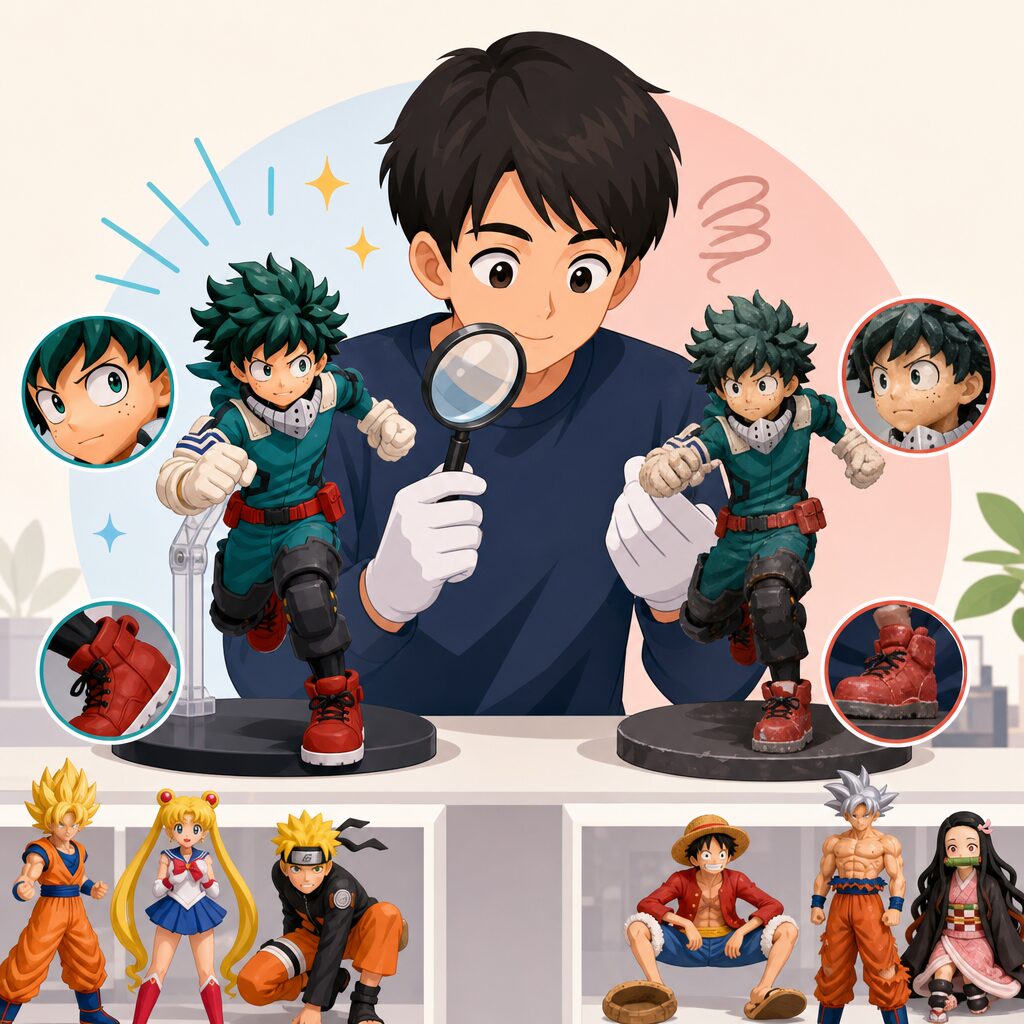
The Japanese retro game market has seen a noticeable rise in high-quality reproductions and counterfeit cartridges, particularly for popular titles on the Famicom, Super Famicom, and Game Boy platforms. Authenticating a game before purchasing is essential. Start by examining the cartridge shell: genuine Japanese cartridges use specific plastic compounds that age in predictable ways, developing a consistent yellowing over decades. Reproductions often use newer plastics that feel lighter or appear unnaturally bright.
- PCB inspection: Whenever possible, open the cartridge to inspect the printed circuit board. Authentic boards have manufacturer stamps, date codes, and component layouts that match documented references available in collector communities.
- Label quality: Original labels feature precise print registration, accurate colors, and aged adhesive residue around the edges. Reproduction labels often show slight color shifts or overly crisp printing inconsistent with the game’s era.
- Weight and feel: Authentic cartridges from major publishers like Nintendo or Konami have a distinctive heft. Reproductions frequently feel noticeably lighter due to cheaper internal components.
- Serial numbers: Cross-reference the catalog number printed on the cartridge, box, and manual — all three should match and align with published production records for that specific title.
Buying Japanese Games Directly from Japan: Tips and What to Expect
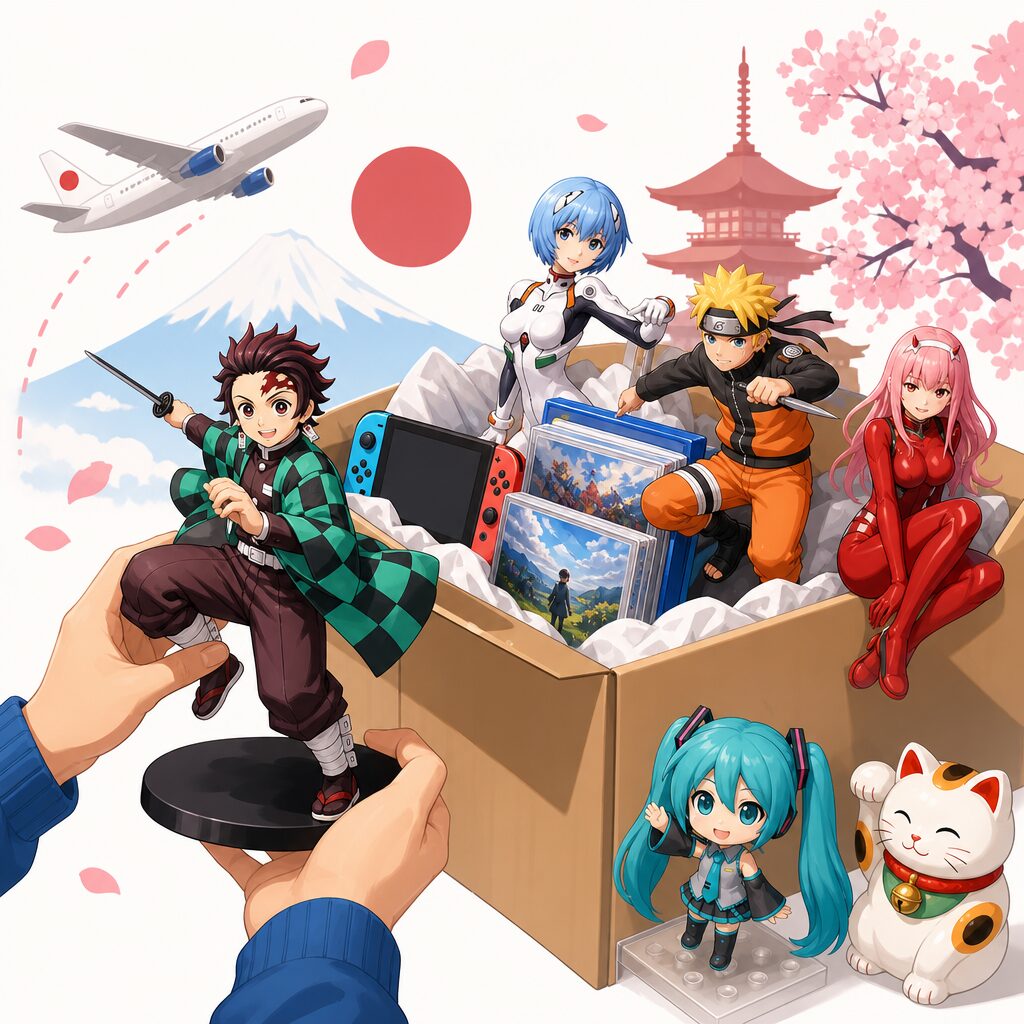
Sourcing games directly from Japan offers access to the widest selection and often the most competitive prices, but it requires some preparation. Domestic Japanese marketplaces like Suruga-ya, Mercari Japan, and Yahoo! Auctions Japan are where the bulk of inventory moves, and pricing tends to reflect local demand rather than inflated import markups. Using a proxy or forwarding service is typically necessary for international buyers, so factor shipping costs, service fees, and potential customs duties into your total budget before committing to a purchase.
Condition grading in Japan follows its own conventions. Terms like 未使用 (mishiyou) indicate unused/unopened condition, while 美品 (bihin) means “beautiful condition” — roughly equivalent to near-mint. Understanding these descriptors helps you set accurate expectations before items arrive. Japanese sellers are generally meticulous about honest grading, but always review seller feedback and request additional photographs of any high-value items.
- Look for complete sets (完品, kanpin): A complete-in-box listing with all original inserts represents the gold standard and holds its value best over time.
- Check store chains like Book-Off and Mandarake: These retailers have online storefronts that ship internationally or through proxies, offering authenticated stock with standardized grading.
- Time your purchases around Japanese estate sales: Large lots from estate clearances frequently surface in spring and fall, offering excellent opportunities to acquire underpriced collections before resellers catch them.
- Be patient with regional shipping: Surface shipping from Japan is significantly cheaper than air freight for heavy lots, though transit times can reach 6–10 weeks. Plan accordingly if purchasing for a specific deadline.
Related tools: Spot the Fake quiz — test your authenticity eye on the checkpoints our staff use · Self-Grading Checklist — grade a piece yourself the way graders do · Bulk Lot Estimator — see what a whole Japanese lot costs to buy and ship · Collectibles Market Trends — our price index by category over time
We are expanding our Games selection. Meanwhile, explore the full catalog below.