
What is moving the secondhand Dragon Ball market lately? Below we look at publicly reported developments collectors are watching (each linked to its source), and where our own current inventory sits — real listings, not estimates.
Recent Developments Collectors Are Watching
- The upcoming “Dragon Ball DAIMA” anime series, slated for release in Fall 2026, may generate renewed interest in the franchise and its related collectibles, also tying into downloadable content for the “Dragon Ball Z: Kakarot” video game. (source)
- Bandai’s strategy for the Dragon Ball Super Card Game involves a “Block Number System” to manage reprints and avoid over-reprinting older sets, which may help existing cards retain their value. This controlled approach could influence collector interest by balancing accessibility with perceived scarcity. (source)
- The ongoing 40th-anniversary celebration of the Dragon Ball franchise throughout 2024 and 2025, marked by new merchandise and project announcements, may boost overall interest in Dragon Ball collectibles. (source)
- Significant reprints for the Dragon Ball Super Card Game, including older sets like “Rise of the Unison Warrior” and “Vermillion Bloodline,” may affect the secondhand market by increasing card accessibility. These reprints often feature “RE” text and “2nd edition” labels, which could help original printings maintain their distinct value. (source)
- Reissues of popular S.H.Figuarts figures, such as Goku Black -Super Saiyan Rose-, may help satisfy collector demand by making previously scarce items more available. Additionally, new S.H.Figuarts releases and figures from other series could expand market interest for collectors. (source)
- Continued story downloadable content (DLC) for the “Dragon Ball Z: Kakarot” video game, such as the “Daima Adventure Through the Demon Realm” parts, may sustain interest in the game and potentially related collectibles. The game’s milestone of selling 10 million copies often reflects sustained popularity for a franchise. (source)
Why These Collectibles Hold Value: The Backstory
Short-term news moves attention, but Dragon Ball pieces hold value for deeper, more durable reasons. Knowing them helps you tell a passing spike from lasting collectibility.
Scarcity Through Production and Discontinuation
Many collectibles, particularly those produced early in a franchise’s history or as special editions, are released in finite quantities. Once a production run ends, or an item is discontinued, the available supply in the market ceases to grow. This inherent scarcity can make existing items more desirable over time, as fewer examples are available for new collectors entering the market or for established collectors seeking specific pieces.
The aging of older collectibles also plays a role. Over decades, some items may be lost, damaged, or discarded, further reducing the circulating supply. This natural attrition contributes to the rarity of well-preserved pieces, making them potentially more valued by collectors seeking complete sets or pristine examples.
Enduring Media Presence and Cultural Impact
Dragon Ball’s remarkable longevity and consistent presence in popular culture significantly contribute to the sustained interest in its collectibles. New anime series, movies, video games, and special anniversary celebrations continuously reintroduce the franchise to new audiences while re-engaging long-time fans. This ongoing media exposure helps maintain Dragon Ball’s relevance and appeal across generations, fostering continued demand for related merchandise.
Beyond its entertainment value, Dragon Ball holds a prominent place as a global cultural phenomenon. It is recognized as a foundational work in manga and anime, influencing countless other creators and inspiring a worldwide fanbase. This historical and cultural significance can elevate certain items from mere merchandise to artifacts representing a beloved and impactful pop culture touchstone, appealing to collectors who appreciate its broader legacy.
Nostalgia and a Robust Collector Community
For many collectors, the appeal of Dragon Ball items is deeply rooted in nostalgia. Individuals who grew up watching the series often seek out collectibles that evoke cherished memories from their childhood or adolescence. This emotional connection can drive significant demand, as collectors are willing to acquire items that represent a meaningful part of their personal history and passion for the series.
Furthermore, a large and active global community of Dragon Ball collectors plays a vital role in the collectible market. This community engages in discussions, shares knowledge, showcases collections, and facilitates trades, helping to maintain interest and establish perceived value for various items. The collective enthusiasm and organized activity within this community help ensure a continuous exchange and appreciation of Dragon Ball collectibles.
Where Our Current Dragon Ball Inventory Sits
For transparency, here are actual pieces in our inventory today with their current asking prices — a real-world reference point you can compare against sold-listing research:

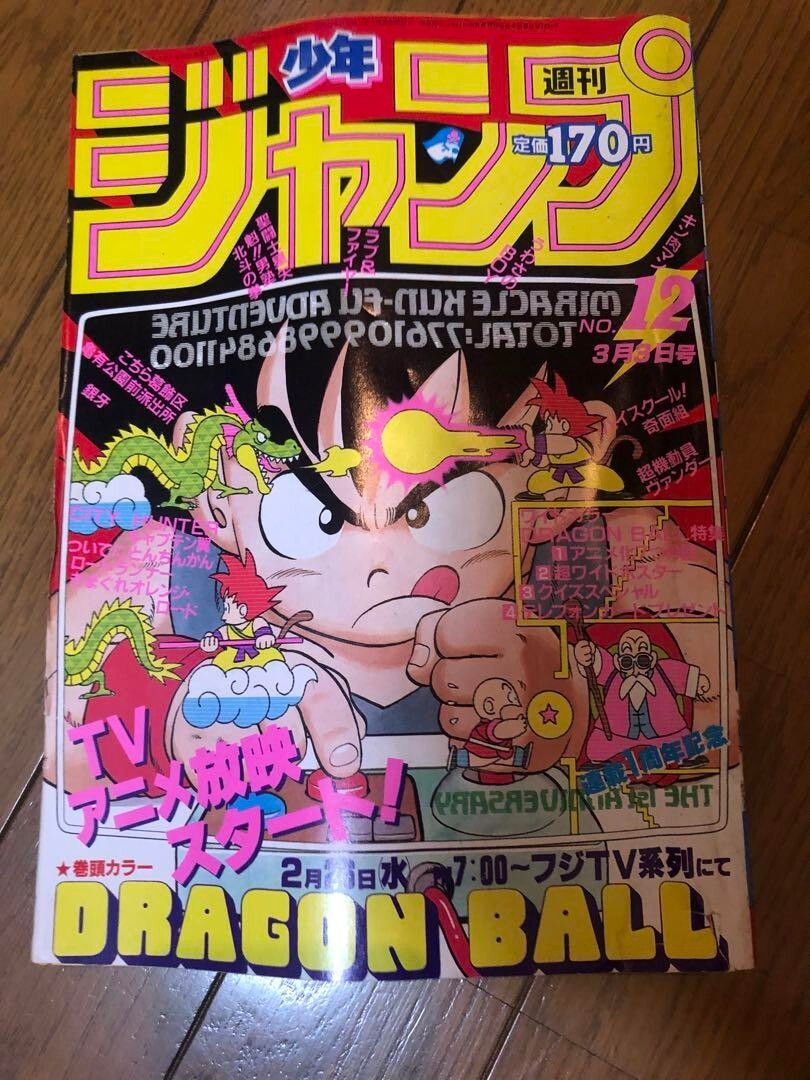
Weekly Shonen Jump 1986 NO.12 Dragon Ball cover With poster Akira Toriyama Comic — $3803.00 (current asking price)
Dragon Ball Vol.1 1st Edition Manga Comics Son Goku Akira Toriyama 1985 Shueisha — $1717.00 (current asking price)
Dragon Ball Fusion World Goku FB05-030 Ultimate Battle Winner Card Game BANDAI — $1672.00 (current asking price)
Dragon Ball Super Card Game Fusion World Broly BR SCR FB06-120 Bandai 2025 Hobby — $1643.00 (current asking price)
How to Verify Trends Yourself
Never rely on a single article (including this one) — check recent sold listings and price-guide resources. Our Market Value Research Guides walk through the exact steps.
This article is market commentary for collectors, based on our own current inventory pricing and publicly reported news (each linked to its source). It is not financial or investment advice, and past pricing patterns do not predict future values.

コメント