
Guide to Trading Cards: authentic original Japanese collectibles, inspected one by one, with worldwide shipping from Japan. Discover standout Trading Cards pieces.
What to Look for When Collecting Japanese Trading Cards
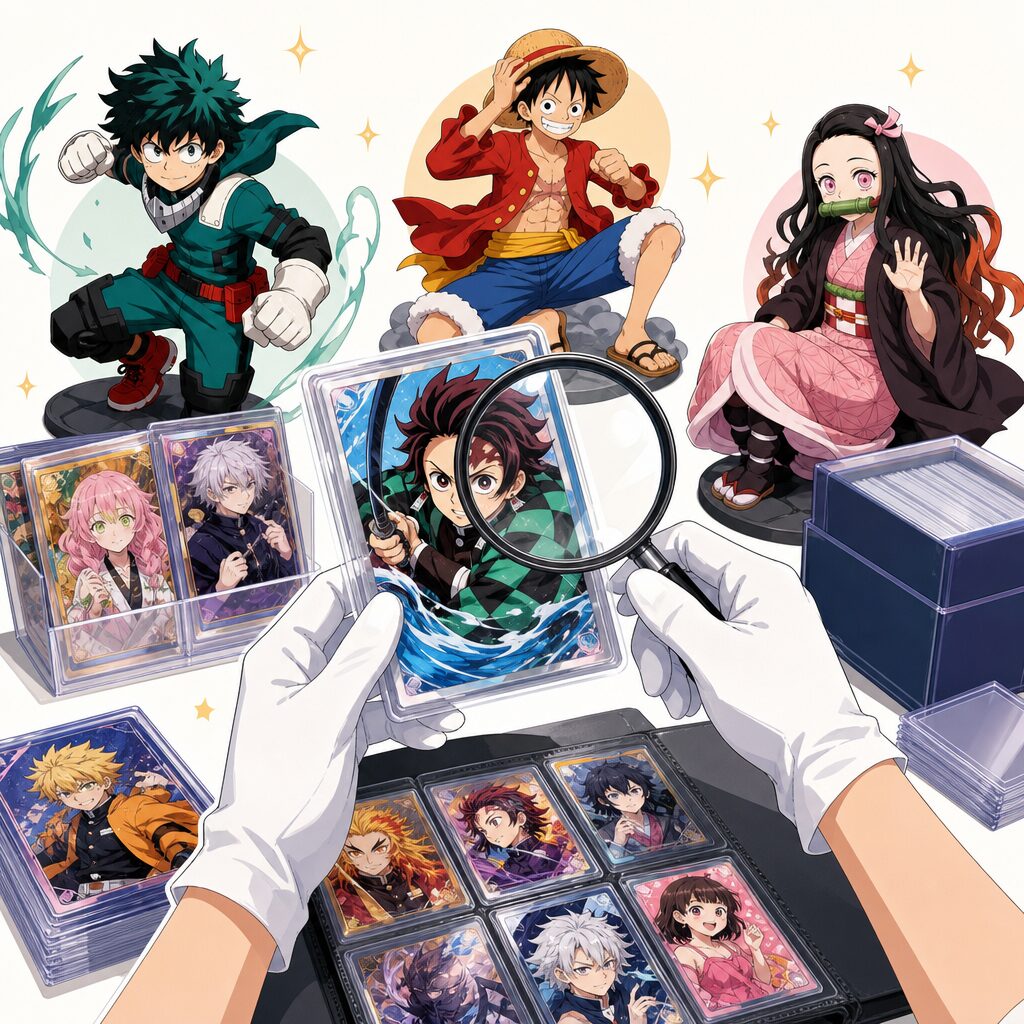
Japanese trading cards stand apart from their Western counterparts in ways that go far beyond language. Serious collectors focus on a combination of condition, print quality, and card rarity that makes each piece uniquely valuable. Before adding any card to your collection, examine the surface finish carefully — Japanese cards often feature holographic foil treatments, textured embossing, and specialty ink applications that are far more detailed than standard releases. These premium finishes are a strong indicator of a card’s tier within its set.
Beyond aesthetics, understanding the rarity system used by Japanese publishers is essential. Most sets use a tiered symbol system printed directly on the card (typically found at the bottom), ranging from common circles to rare stars and beyond. Some of the most sought-after cards carry designations like Secret Rare, Special Art Rare, or Hyper Rare — classifications that vary by game and publisher. Knowing these symbols before you shop saves time and protects your budget.
- Card condition: Look for sharp corners, centered artwork, no surface scratches, and clean edges — grading standards apply even to sealed pulls.
- Set symbol and edition: First edition prints (初版) command significantly higher value than later print runs.
- Rarity tier: Learn the specific rarity symbols for each game system — Pokémon, Yu-Gi-Oh!, and Cardfight!! Vanguard all use different notation.
- Language exclusivity: Many high-rarity cards are released exclusively in the Japanese market months before, or instead of, an international version.
Authenticating Japanese Trading Cards and Spotting Counterfeits
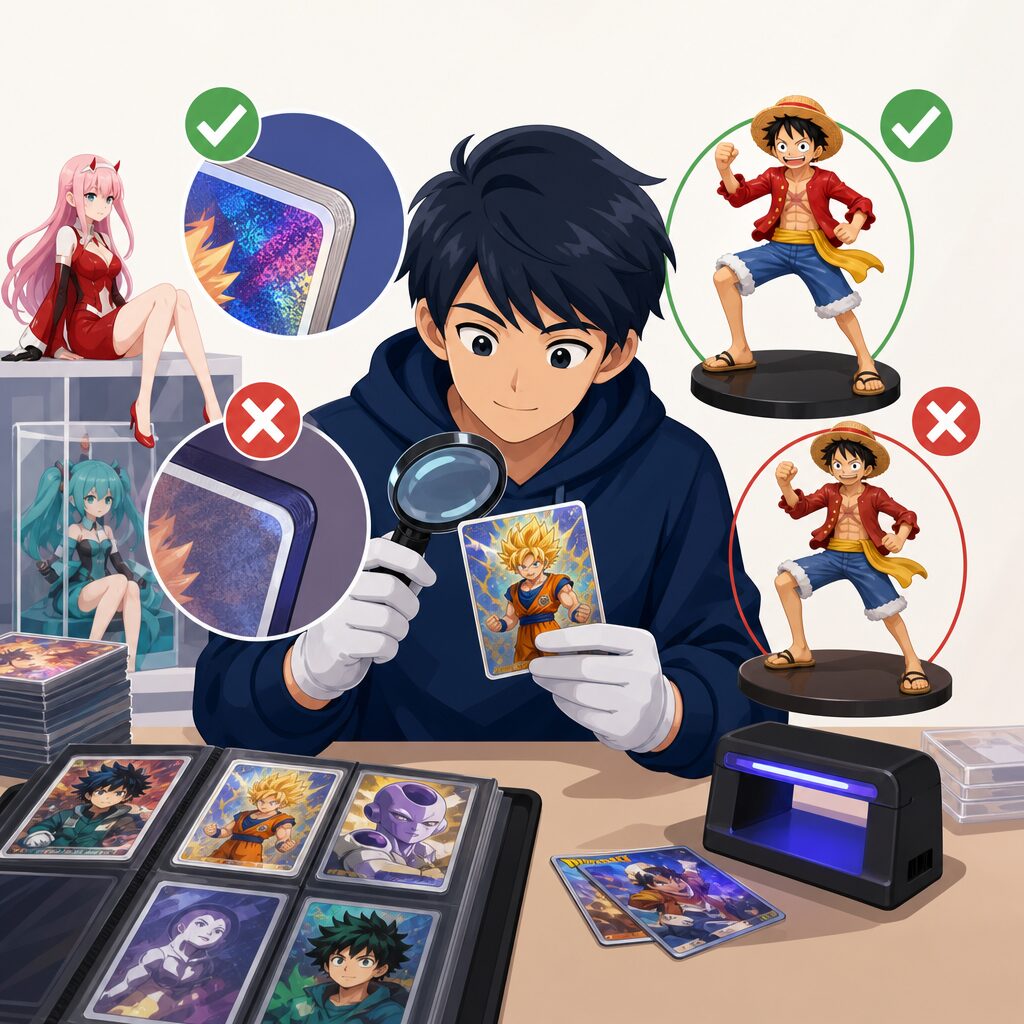
The Japanese trading card market is unfortunately not immune to counterfeiting, particularly for high-value cards from popular franchises. Authentic Japanese cards are printed on a specific card stock that feels noticeably different from fakes — genuine cards have a slight rigidity and a clean snap when gently bent, while counterfeit cards tend to feel flimsy, overly glossy, or unusually thick. One of the most reliable quick tests is the light test: hold the card up to a bright light source. Authentic cards will show a very faint blue or black core layer sandwiched between the two printed faces.
For high-investment purchases, always request a professional grading certificate from trusted services such as PSA, BGS (Beckett), or CGC. Japanese cards are fully supported by these grading companies, and a graded card in a sealed slab provides both authenticity verification and condition documentation. When buying raw (ungraded) cards from Japanese sellers, cross-reference the card’s holo pattern, font consistency, and back design against verified references from collector communities and official publisher databases.
- Texture check: Real Japanese cards have a consistent, slightly matte texture on the reverse side — fakes often appear too shiny or feel plasticky.
- Font and color accuracy: Counterfeit cards frequently have slightly off-color printing or inconsistent font weights in the card text.
- Holo patterns: Japanese holographic cards use precise, repeating patterns — blurry or misaligned holo foil is a major red flag.
- Seller verification: Purchase from sellers with established reputations on platforms like Mercari Japan, Yahoo! Auctions Japan, or certified resellers with documented sourcing.
Understanding Variants and Buying Smart from Japan
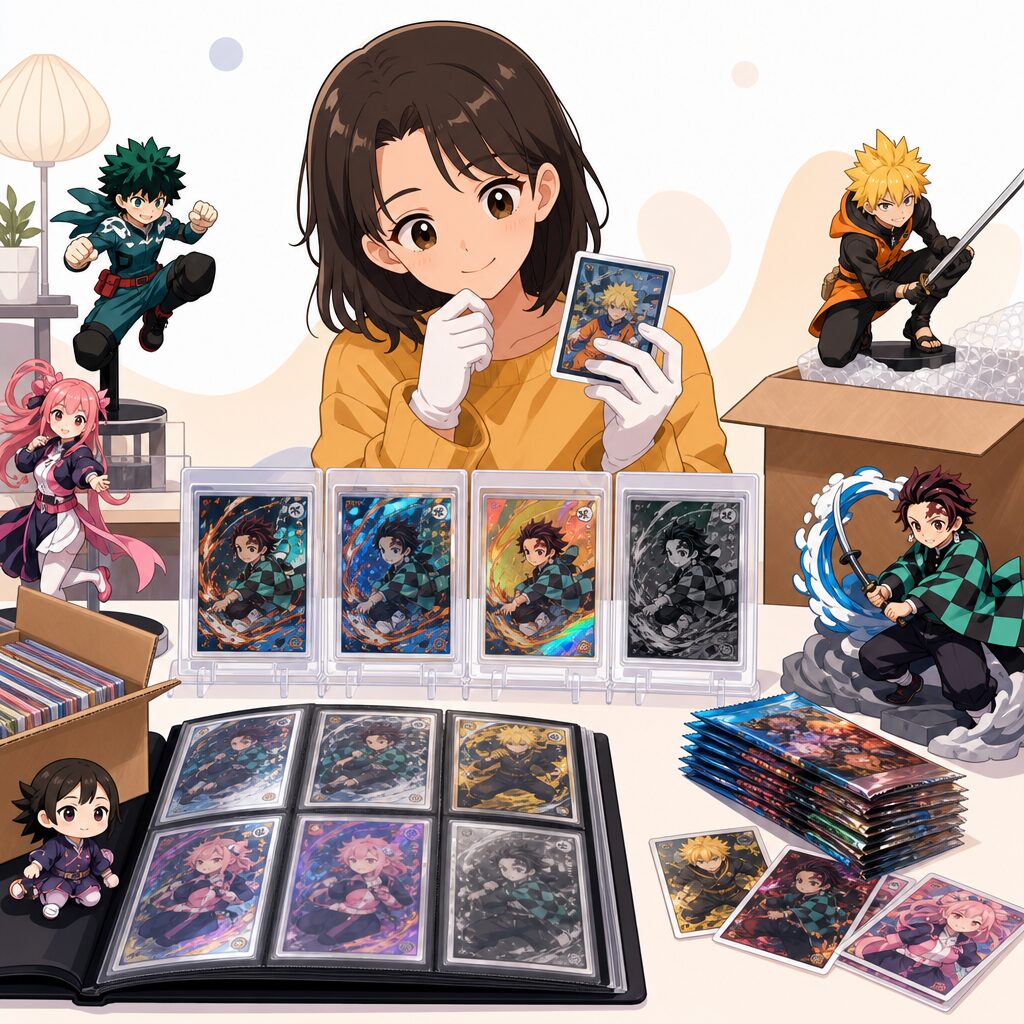
One of the greatest advantages of sourcing trading cards directly from Japan is access to regional variants and exclusive releases that never reach international markets. Japanese publishers regularly produce promo cards distributed through tournaments, retail store campaigns, magazine inserts, and lottery events (called “ichiban kuji”). These promos are highly collectible precisely because their distribution is limited and geographically restricted. Knowing the difference between a standard set card and a regional campaign promo can mean a tenfold difference in resale and collectible value.
When buying from Japan — whether through a proxy service, a specialized import store, or directly from Japanese marketplaces — timing is critical. Japanese card sets typically release on Fridays, and the most valuable pulls from booster boxes often appear on secondary markets within 24 to 48 hours of a set launch. Acting quickly on pre-orders for sealed product is the most cost-effective strategy for serious collectors, as box prices tend to spike dramatically once a chase card is confirmed within the set. Always factor in import fees, shipping insurance, and potential customs duties when calculating your true cost per card.
- Promo variants: Look for cards marked with a “P” or “PR” symbol, indicating promotional distribution outside standard booster packs.
- Alternate art versions: Many Japanese sets include alternate artwork versions of the same card at higher rarity — these are often exclusive to Japanese releases.
- Sealed vs. singles: Buying sealed booster boxes from Japan offers the thrill of pulling rare cards yourself, while buying singles gives you precise control over what enters your collection.
- Proxy and import services: Use reputable proxy buyers or specialized import shops to navigate Japanese-only platforms safely and avoid language barriers during transactions.
- Track set announcements: Follow official Japanese publisher social accounts and collector communities to get advance notice of upcoming sets, variants, and exclusive campaign cards.
Related tools and guides: Release Calendar — officially announced Japanese release dates · Self-Grading Checklist — grade a piece yourself the way graders do · Collector Spotlight — see real collectors’ shelves, or submit your own · Condition & Market Liquidity Guide — how condition moves price and how fast pieces sell
We are expanding our Trading Cards selection. Meanwhile, explore the full catalog below.