
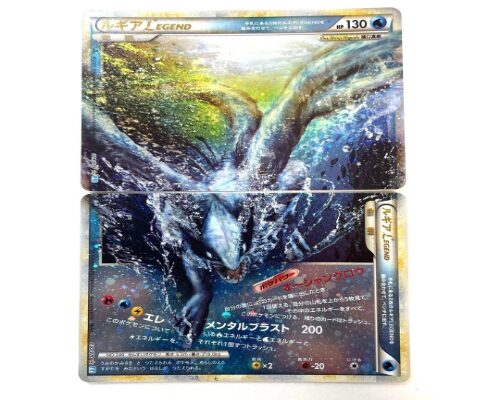
Fifteen years after its October 2009 debut, the Lugia LEGEND 029/030 1st Edition from the SoulSilver Collection has quietly become one of the harder Japanese Pokémon cards to track down in genuinely clean condition. This article walks through what makes that specific print run worth a closer look right now, from the two-card combination layout that joins top and bottom halves into a single sweeping illustration of Lugia, to the holographic finish and kanji-kana typography that distinguish the Japanese release from its overseas counterparts. Readers will get a clear sense of why the LEGEND format was considered a premium tier within the HeartGold & SoulSilver series, how the 1st Edition stamp narrows an already small print pool, and what Lightly Played condition realistically means when evaluating gloss, edges, and color retention on a card this old. The timing matters because the second wave of Pokémon TCG collecting that began in the late 2010s has not slowed, and Japanese-exclusive LEGEND cards have steadily climbed in both visibility and price as supply thins. Beyond market context, the piece also touches on the artistic side of the card, often cited among the most striking illustrations in the franchise’s history, and explains why surviving copies tend to stay in private collections rather than recirculate. Whether the goal is acquisition, valuation, or simply understanding the card’s place in TCG history, the details here are meant to help readers judge it on its own terms.
About This Card
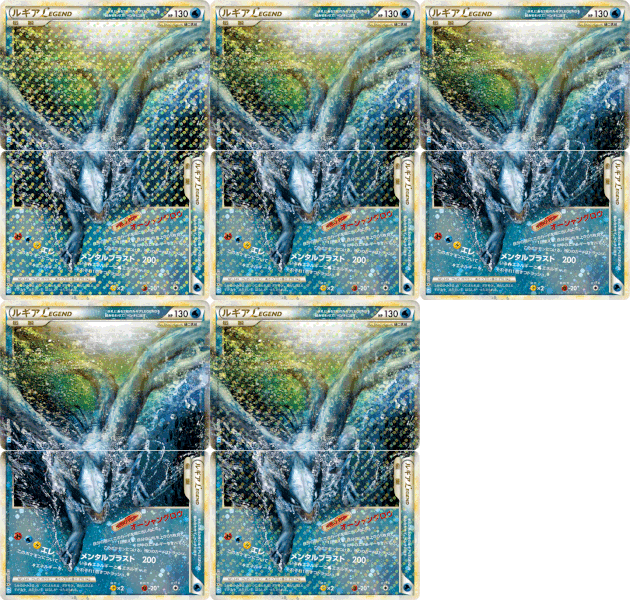 Source: Pokémon Trading Card Game
In October 2009, the Pokémon Trading Card Game entered a new era with the release of the HeartGold & SoulSilver series. Among these, the SoulSilver Collection expansion pack drew significant attention right from the start. At the time, Pokémon cards were experiencing a second boom in Japan and abroad, captivating fans of all ages—from children to adults.
This particular card is the Lugia LEGEND 029/030 1st Edition. Now 15 years since its release, it has been long out of print. The item listed here is in Lightly Played (Excellent) condition, with excellent gloss and color vibrancy. A rare first edition in such fine condition holds exceptional value.
Rarity of This Card
Two-Card Combination Design
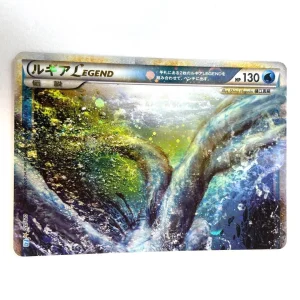
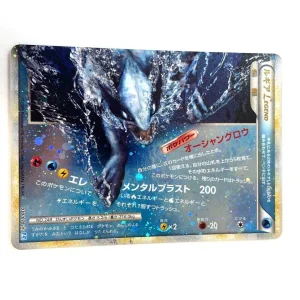
When the top and bottom cards are placed together, they form a single, powerful illustration of Lugia. This is a hallmark of the luxurious LEGEND card format.Japan-Exclusive Special Features
Unlike the overseas versions, the Japanese release features beautiful holographic processing and Japanese text with kanji and kana, appealing strongly to collectors.Extremely Limited Circulation
From the moment of release, it was highly sought after. Most copies went straight into the hands of fans upon opening, meaning only a very small number ever make it back to the market.A Collector’s Dream
One of the most beautiful illustrations in Pokémon card history, with high artistic value beyond its status as a game card.Current Status in Japan
Even in the secondhand market, prices remain high, and complete 1st Edition sets are now rarely seen.Value of Being 1st Edition
“1st Edition” cards carry a printed mark indicating they were part of the initial production run, distinguishing them from later Unlimited editions. The first print run had a strictly limited quantity, making them highly sought after. In the collector’s market, their value remains consistently high. The 1st Edition of the LEGEND series is especially difficult to obtain.
Differences Between the Japanese and Overseas Versions
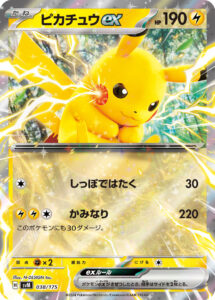 Source: Pokémon Trading Card Game
- High Quality and Printing Technology
Japanese cards are known for their superior cardstock and vibrant printing quality. The precision of the holofoil processing and gold embossing stands out. Compared to overseas editions, the colors are more vivid, and fine lines and patterns are sharply printed. Design and Illustration Differences
Even for the same card, the artwork can differ between Japanese and overseas releases. Background tones or character expressions may vary slightly, and Japan-exclusive special illustrations are sometimes used.Exclusive Editions & Promo Cards
Japan has tournament-exclusive or event-distributed cards that were never made available abroad, making them highly coveted overseas.Collectible Value
Many international collectors find the Japanese text and logos themselves to be appealing. Japanese 1st Edition cards, in particular, are held in especially high regard in the collecting world.As an Investment
Vintage Pokémon cards often sell for high prices at auction overseas, especially discontinued, first edition, and limited-edition releases. The Lugia LEGEND 1st Edition is no exception.
Comparable Ultra-Rare Cards
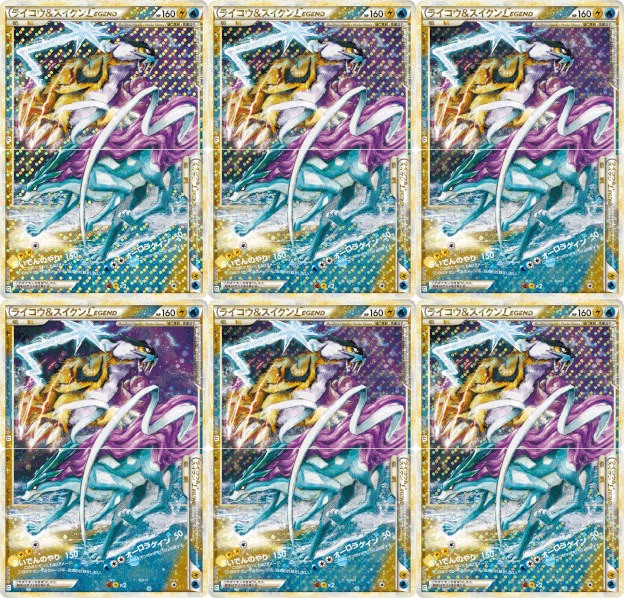
Source: Pokémon Trading Card Game
The Lugia LEGEND is one of the flagship cards from the LEGEND Card Series released between 2009 and 2010. This series introduced a never-before-seen concept: combining two separate cards to complete a single, large-scale illustration — a feature that amazed Pokémon fans at the time.
Other Notable LEGEND Cards from the Same Era:
Ho-Oh LEGEND (HeartGold Collection)
Features golden radiance and a divine illustration, rivaling Lugia in popularity.Raikou & Suicune LEGEND (Revived Legends)
A dynamic design depicting the Legendary Beasts.Entei & Raikou LEGEND (Revived Legends)
Among the most difficult to obtain of the double LEGEND cards.
Why LEGEND Cards Are So Rare:
Short production period — the series ended after about one year, keeping total print numbers low.
More valued for their artistic appeal than gameplay utility, leading many buyers to store them immediately for collection purposes.
Requires both halves to be meaningful — storing them as a set is difficult, which limits the number of surviving complete pairs.
Among all LEGEND series cards, Lugia LEGEND is especially popular overseas, combining stunning artwork, rarity, and first-edition status into a single collector’s dream.
Conclusion
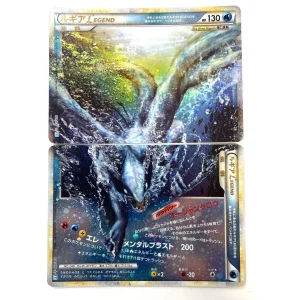


Shop Authentic Japanese Collectibles
Shipped directly from Japan. Each item carefully inspected.


コメント