Because Pokemon is one of the most collected franchises, it is also one of the most copied. This guide walks through the checks collectors commonly use to evaluate authenticity and condition — the same points our staff in Japan look at when inspecting every item before it ships.
Official Markings and Licensing Stickers

On authentic Pokemon goods and accessories, you can usually expect to find some form of official licensing text — commonly variations like “©Pokemon”, “©Nintendo/Creatures/GAME FREAK”, or “©2023 Pokemon” depending on the year of release. Japanese domestic products are also often marked with the Pokemon Center logo, a Bandai logo, Takara Tomy A.R.T.S branding, or a Banpresto/Ichiban Kuji stamp for prize items. These markings are commonly printed cleanly, at consistent depth if molded, and are typically placed in discreet locations such as the underside of a figure’s foot, an inner tag on plush, or a small tag sewn into a seam.
A useful signal of authenticity is that the copyright text is legible and correctly spelled — genuine items rarely have blurred, smudged, or misspelled markings. On plush, the sewn-in tags often include Japanese-language care instructions, a material breakdown, and a small Pokemon Center or Takara Tomy tag. Missing tags aren’t automatically a red flag on secondhand items (tags can be removed), but the absence of any molded or printed copyright anywhere on the item is worth a closer look.
Packaging and Print Quality

Genuine Pokemon packaging is commonly printed on sturdy card stock or clear blister with sharp, high-resolution artwork. Colors on authentic boxes tend to be vivid but not oversaturated, and small text — including barcodes, JAN codes, and legal fine print in Japanese — is usually crisp under magnification. Ichiban Kuji prize boxes, Pokemon Center exclusives, and Bandai figure boxes often carry a JAN barcode on the back or bottom, along with a small production lot code.
On bootleg or unofficial packaging, print is often softer, colors can look muddy or overly bright, and Japanese text may contain awkward kerning or minor character errors. Authentic blister packs commonly seal tightly to the backing card with even heat-sealing, while suspicious pieces sometimes show glue residue, uneven seals, or a backing card that feels thinner than expected.
Paint, Seams, and Material Tells

On authentic Pokemon figures — whether Bandai Kids soft vinyl, Takara Tomy Moncolle, or Pokemon Center scale figures — paint applications are commonly clean at the edges, with eyes symmetrical and pupils centered. Seam lines from the mold are usually present but filed down or hidden along natural body lines. The plastic itself often has a consistent weight and a slightly matte or satin finish rather than a cheap glossy sheen. Moncolle figures, for example, are commonly a firm ABS/PVC blend that feels solid in hand.
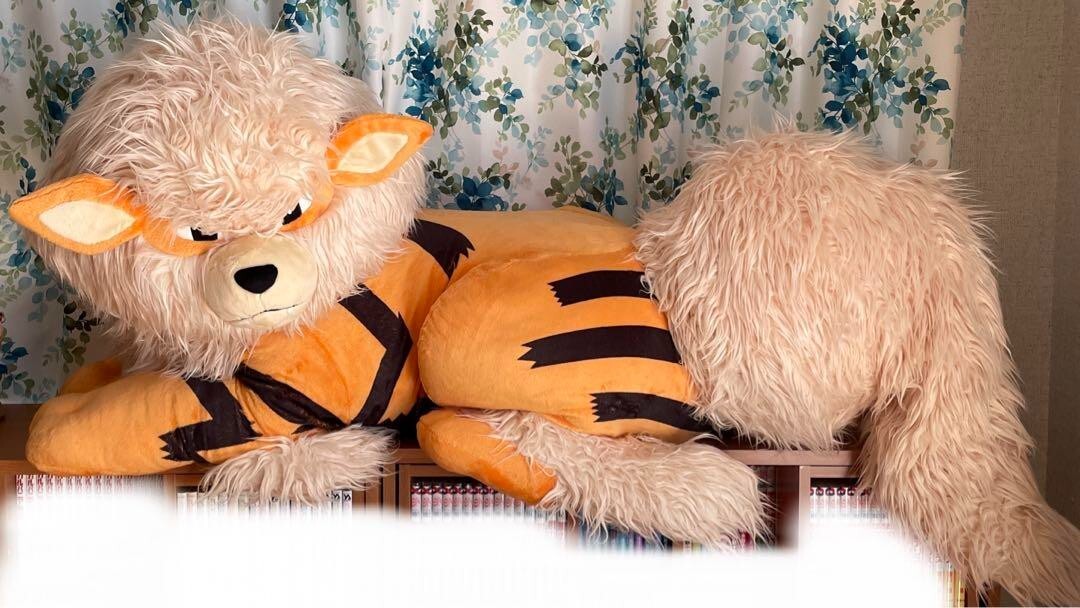
For plush, authentic Pokemon Center products typically use short, evenly trimmed pile fabric with embroidered (not just printed) eyes and mouth on most modern releases. Stitching is usually tight and consistent, and the shape holds proportions close to official art. Lopsided eyes, visible glue, sloppy stitching, or unusually stiff/lumpy stuffing are common signs to investigate further.
Common Bootleg Red Flags for Pokemon Merchandise

Pokemon is one of the most heavily counterfeited franchises, so a few recurring red flags are worth knowing. Unofficial figures often show off-model proportions — heads too large, tails the wrong shape, or colors that don’t match official references (a Pikachu with the wrong shade of yellow, or Charizard with incorrect wing coloring, for example). Bootleg plush frequently have printed faces instead of embroidery on lines that are known to use embroidery, or fur that mats and sheds easily.
Other common warning signs include: missing or generic copyright text (“Pocket Monster” without proper © lines), price tags or hangtags with only English text on items supposedly from Japan, suspiciously low prices for rare Pokemon Center or Ichiban Kuji items, and “lot” listings where every figure looks slightly off. None of these alone confirms a fake, but multiple flags together are a useful reason to pause.
Japanese Secondhand Condition Grading

Japanese secondhand sellers commonly use a grading system that’s helpful to understand before buying. Unopened / 未開封 generally means the item is still sealed in its original packaging, though outer box wear may still be present. Grade A typically indicates an opened but excellent-condition item with minimal signs of display or handling. Grade B commonly means noticeable wear — light paint rubs, minor plush fading, small box damage, or missing inserts. Grade C often signals significant wear, yellowing, or missing accessories, while junk / ジャンク is usually reserved for items with major damage, missing parts, or unverified completeness, sold as-is.
For Pokemon goods specifically, pay attention to whether hangtags are still attached on plush (often noted as “tag present / タグ付き”), whether Ichiban Kuji items include their original clear bag, and whether figure accessories like alternate hands, effect parts, or trainer cards are complete. These details commonly affect both grade and resale value.
Disclaimer: This guide shares general knowledge points that collectors commonly use to evaluate items. It is educational content, not a formal authentication service, and individual items should always be judged on their own evidence. Details can vary by production run and era.
Free Download: Our Full Authenticity Guide (PDF)
Download the free Japanese Figure Authenticity Guide (PDF) →
The complete checklist we use in-house, in a printable format.
Frequently Asked Questions
How can I tell if a Pokemon figure is a bootleg?
Check the manufacturer and copyright markings moulded into the base or the back of the figure, compare paint edges and seam lines against official product photos, and look at the print quality of the box. Bootlegs usually fail on several of these at once, not just one.
Is a cheap listing automatically a fake?
No. Price on its own proves nothing — genuine pieces sell cheaply when they are opened, incomplete or from an over-produced run. Judge by markings, finish and packaging rather than by price.
What should I ask a seller for before buying?
Ask for photos of the base markings, the box barcode and any damage in natural light. A seller who handles the item themselves can take these quickly; stock-photo-only listings are the ones worth questioning.
What does Japanese secondhand condition wording mean?
Japanese listings grade strictly: a piece described as used can still be display-quality, while notes about yellowing, paint transfer or box crush are stated explicitly rather than glossed over. Read the condition notes as literal, not as sales copy.
コメント