
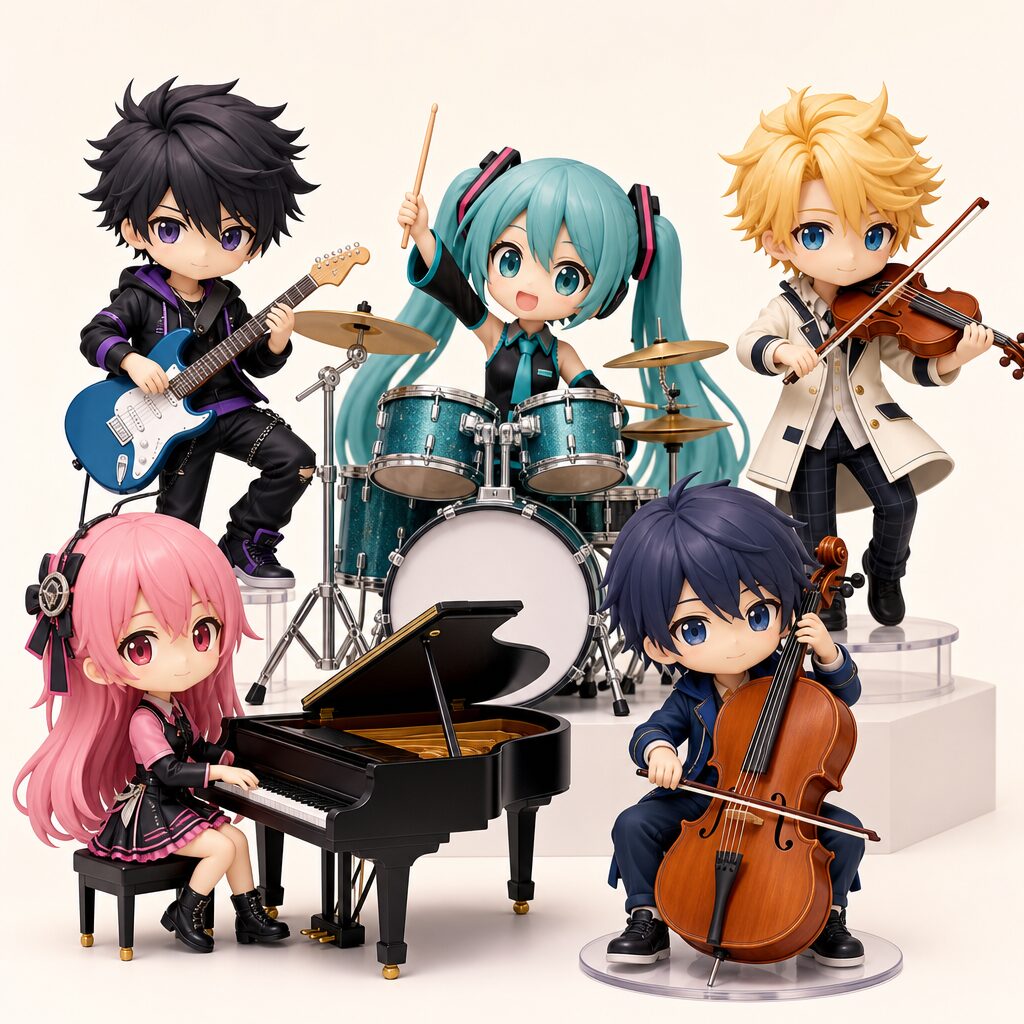
Guide to Musical Instruments: authentic original Japanese collectibles, inspected one by one, with worldwide shipping from Japan. Discover standout Musical Instruments pieces.
What Collectors Look for in Japanese Musical Instrument Collectibles
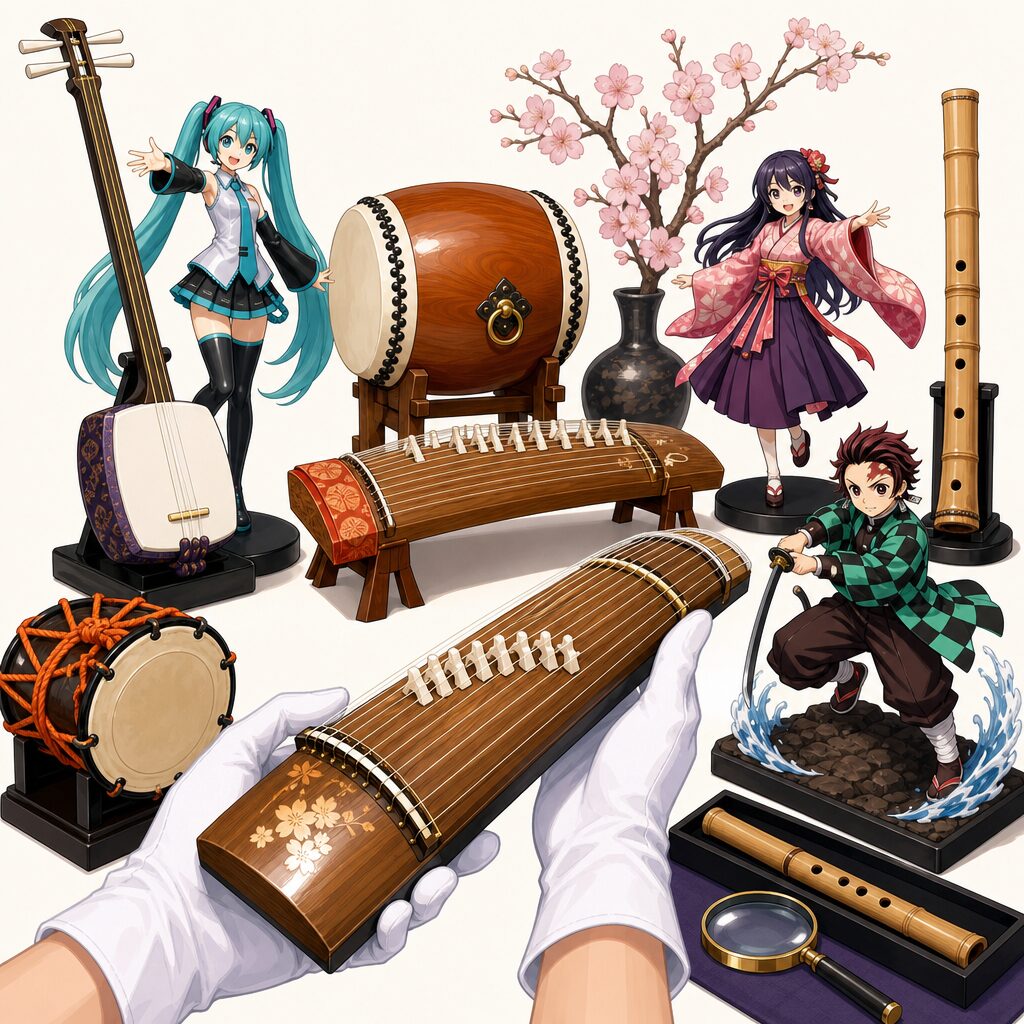
Japanese musical instrument collectibles span a fascinating range of categories, from vintage toy pianos and miniature shamisen figures to highly detailed scale models of traditional koto and taiko drums. Serious collectors typically prioritize condition and completeness above all else — an item presented with its original box, instruction sheet, and all accompanying accessories can command two to three times the price of a loose piece in comparable physical condition. Beyond physical integrity, collectors look for items tied to specific cultural moments, such as instruments associated with iconic anime series, video game franchises like Gitaroo Man or Uta no Prince-sama, or limited theatrical releases.
When evaluating a piece, pay close attention to the following desirable attributes:
- Functional mechanisms — miniature instruments that actually produce sound or have moving parts are significantly more sought after
- Brand heritage — items produced by manufacturers like Takara Tomy, Bandai, or Kaiyodo carry stronger resale value and collector trust
- Cultural specificity — pieces depicting traditional Japanese instruments (shamisen, shakuhachi, biwa) with high historical accuracy appeal to both collectors and educators
- Limited production runs — event-exclusive items from Wonder Festival or Tokyo Toy Show are consistently harder to source outside Japan
Authenticity and Spotting Reproductions

The market for Japanese musical instrument collectibles has attracted a steady stream of unauthorized reproductions, particularly for high-demand items from discontinued product lines. Authenticating a piece requires examining several key markers. Tampo printing quality is one of the most reliable indicators — legitimate Japanese manufacturers apply crisp, precisely registered paint or decal work, while reproductions often show slight blurring, color shifting, or misaligned registration marks when viewed under magnification. Additionally, authentic pieces will carry clearly molded or stamped manufacturer logos, copyright dates, and “Made in Japan” or factory-specific markings on their bases or hidden seams.
Packaging authentication is equally critical. Original Japanese retail packaging uses specific paper weights and printing techniques that are difficult to replicate at scale. Look for:
- Holographic stickers or embossed seals used on certain Bandai and Kotobukiya releases after 2005
- Accurate barcode formatting consistent with Japanese retail standards (JAN codes beginning with 49)
- Interior blister trays that fit the item precisely — reproductions frequently show loose or ill-fitting plastic inserts
- Yellowing or aging patterns consistent with the item’s claimed production year, particularly on foam inserts and cardboard backings
When purchasing vintage pieces, cross-reference the item against catalog scans from collector communities such as Mandarake’s archival listings or Japanese auction records on Yahoo! Auctions Japan, which provide an invaluable visual baseline for comparison.
Buying Tips for Sourcing Musical Instrument Collectibles Directly from Japan

Japan remains the primary and most reliable source for both current releases and vintage musical instrument collectibles, and understanding how the local market operates gives international buyers a meaningful advantage. Proxy shopping services such as Buyee, ZenMarket, or FROM JAPAN allow direct bidding on Yahoo! Auctions Japan and purchases from domestic retailers like Surugaya, Mandarake, and Rakuten stores that do not ship internationally. Timing your purchases around major secondhand market events — particularly the post-holiday January surge when Japanese collectors sell duplicate gifts — often yields below-average prices on desirable pieces.
Condition grading in Japanese listings follows a standardized but nuanced system. The designations 未使用 (mishiyou) meaning unused, 美品 (bihin) meaning near-mint, and 良品 (ryouhin) meaning good condition each carry specific expectations that differ subtly from Western grading conventions. A piece listed as 良品 may still show minor shelf wear that a Western seller might grade as “Very Good,” so always request additional photographs of seams, bases, and packaging corners before committing to a purchase.
For new releases tied to anime or game crossovers, follow the pre-order windows carefully:
- Most limited items open for pre-order 60–90 days before release through retailers like AmiAmi, Hobby Search, or Nippon-Yasan, which do ship internationally
- Set a budget ceiling that accounts for domestic Japanese shipping, proxy fees (typically 300–500 yen per transaction plus service percentage), and international freight — total landed costs commonly run 30–45% above the listed item price
- Check seller feedback scores rigorously on auction platforms; established sellers with 98%+ positive ratings and hundreds of transactions are significantly lower risk for international buyers
- For high-value vintage pieces, consider requesting an inspection report or additional detail photos of any functional mechanisms before finalizing payment
Related tools and guides: Self-Grading Checklist — grade a piece yourself the way graders do · Spot the Fake quiz — test your authenticity eye on the checkpoints our staff use · Toys & Figures Guide — what collectors look for in Japanese toys & figures · AI Condition & Value Checker — read a condition estimate from your own photo
We are expanding our Musical Instruments selection. Meanwhile, explore the full catalog below.