Because One Piece is one of the most collected franchises, it is also one of the most copied. This guide walks through the checks collectors commonly use to evaluate authenticity and condition — the same points our staff in Japan look at when inspecting every item before it ships.
- The Mark of Authenticity: Official Licensing & Stickers
- Packaging & Print Quality: The First Clue
- Discerning Details: Figure Quality (Paint, Seams, Materials)
- Common Red Flags for One Piece Bootlegs
- Understanding Japanese Secondhand Condition Grading
- Buying Safely from Japan: Tips for Collectors
- Free Download: Our Full Authenticity Guide (PDF)
The Mark of Authenticity: Official Licensing & Stickers

When evaluating a One Piece figure, one of the first things to inspect is the presence and quality of official licensing marks. Major manufacturers like Bandai, Banpresto, and Megahouse typically include clear copyright information and licensing stickers on their packaging.
For One Piece figures, look for the Toei Animation sticker. Historically, these were often gold for Japanese market releases and silver for international distribution, though modern figures commonly feature updated holographic designs. These stickers should be cleanly applied, sharp in detail, and resistant to easy peeling or smudging. The absence of such a sticker, or the presence of one that looks blurry, discolored, or poorly affixed, can be a significant red flag pointing towards a bootleg product.
Packaging & Print Quality: The First Clue

The packaging itself offers numerous clues about a figure’s authenticity. Authentic One Piece figure boxes commonly feature high-resolution graphics, vibrant and accurate colors, and crisp, legible text. Pay close attention to the sharpness of character images, the clarity of logos, and the consistency of the color palette across the entire box.
In contrast, counterfeit packaging often displays pixelated images, washed-out or oversaturated colors, blurry text, and sometimes even misspellings or grammatical errors in any English text. The quality of the cardboard itself can also be a tell; genuine boxes often use sturdier, higher-quality stock with a consistent finish, while fakes might feel flimsy, thin, or have an unusual texture. Poorly cut edges, uneven gluing, or excessive tape can also be indicative of a non-official product.
Discerning Details: Figure Quality (Paint, Seams, Materials)

Once you examine the figure out of its packaging, a deeper inspection of its physical attributes is crucial. Authentic One Piece figures typically boast meticulous paint application, characterized by clean lines, consistent color saturation, and minimal to no overspray or bleeding. Facial features, in particular, should be sculpted accurately and painted with precision, capturing the character’s likeness faithfully.
Seam lines, where different parts of the figure are joined, are another key area. On genuine figures, these seams are often minimal, flush, and blend well into the sculpt, whereas bootlegs commonly exhibit noticeable, rough, or gappy seams. The material quality should also feel substantial and appropriate for the figure’s type. Counterfeits might feel lighter, hollow, or be made from a cheaper, often more brittle, plastic that may also emit a strong, unpleasant chemical odor, which is rarely present in authentic collectibles.
Common Red Flags for One Piece Bootlegs

Beyond the general signs, some issues are commonly associated with bootleg One Piece figures. An abnormally low price that seems too good to be true is almost always a warning sign. Listings with poor-quality, blurry, or stock photos that don’t show the actual product can also be suspicious. Be wary of sellers with consistently negative feedback or those who have little to no sales history, especially when dealing with higher-value items.
Specific to One Piece figures, common bootleg flaws can include distorted facial expressions (e.g., wonky eyes, misaligned mouths), simplified or incorrect sculpting details (such as Luffy’s scar appearing as a simple line, or Zoro’s swords lacking detail), and paint colors that don’t match the character’s official design. Sometimes, bootlegs will even depict characters in poses or outfits that were never officially released, which is a clear indicator of an unofficial product.
Understanding Japanese Secondhand Condition Grading

When buying secondhand figures from Japan, it’s very useful to understand the commonly used condition grading system. This system provides a general guide to the item’s state, though subjective interpretations can exist:
- Unopened/New: The item is still sealed in its original packaging, often implying it’s in pristine, untouched condition.
- Grade A (Mint/Near Mint): The figure has been opened, but the figure itself is usually like new with no significant flaws. The box might show very minor shelf wear or small dents.
- Grade B (Good): The figure may have minor paint transfer, small scuffs, or slight discoloration. The box will likely show more noticeable wear, minor tears, or dents.
- Grade C (Acceptable/Playworn): The figure may have more significant paint chips, scratches, loose joints, or missing very minor accessories. The box will likely have substantial damage.
- Junk (ジャンク): This category means the item is heavily damaged, broken, has missing major parts, or significant defects. It’s often sold for parts or repair and is not typically recommended for collectors seeking display-ready pieces.
Always review provided photos carefully, even with a grade, as condition can sometimes vary.
Buying Safely from Japan: Tips for Collectors

Purchasing authentic secondhand One Piece figures from Japan can be a rewarding experience if approached carefully. Prioritize reputable sellers and platforms known for their diligence in authenticating products. Websites like hdtoysjapan.com, Mandarake, and AmiAmi (for pre-owned items) are generally trusted sources for Japanese collectibles.
When using platforms like Yahoo Auctions Japan via a proxy service, always thoroughly check the seller’s feedback and ratings. A long history of positive reviews is a strong indicator of reliability. Don’t hesitate to request additional photos or specific details about an item’s condition if the listing is unclear. Familiarize yourself with the seller’s return policy, if any, and understand that international shipping and potential customs duties can add to the final cost. By exercising caution and conducting due diligence, collectors can significantly reduce the risk of acquiring non-authentic or misrepresented items.
Disclaimer: This guide shares general knowledge points that collectors commonly use to evaluate items. It is educational content, not a formal authentication service, and individual items should always be judged on their own evidence. Details can vary by production run and era.
Free Download: Our Full Authenticity Guide (PDF)
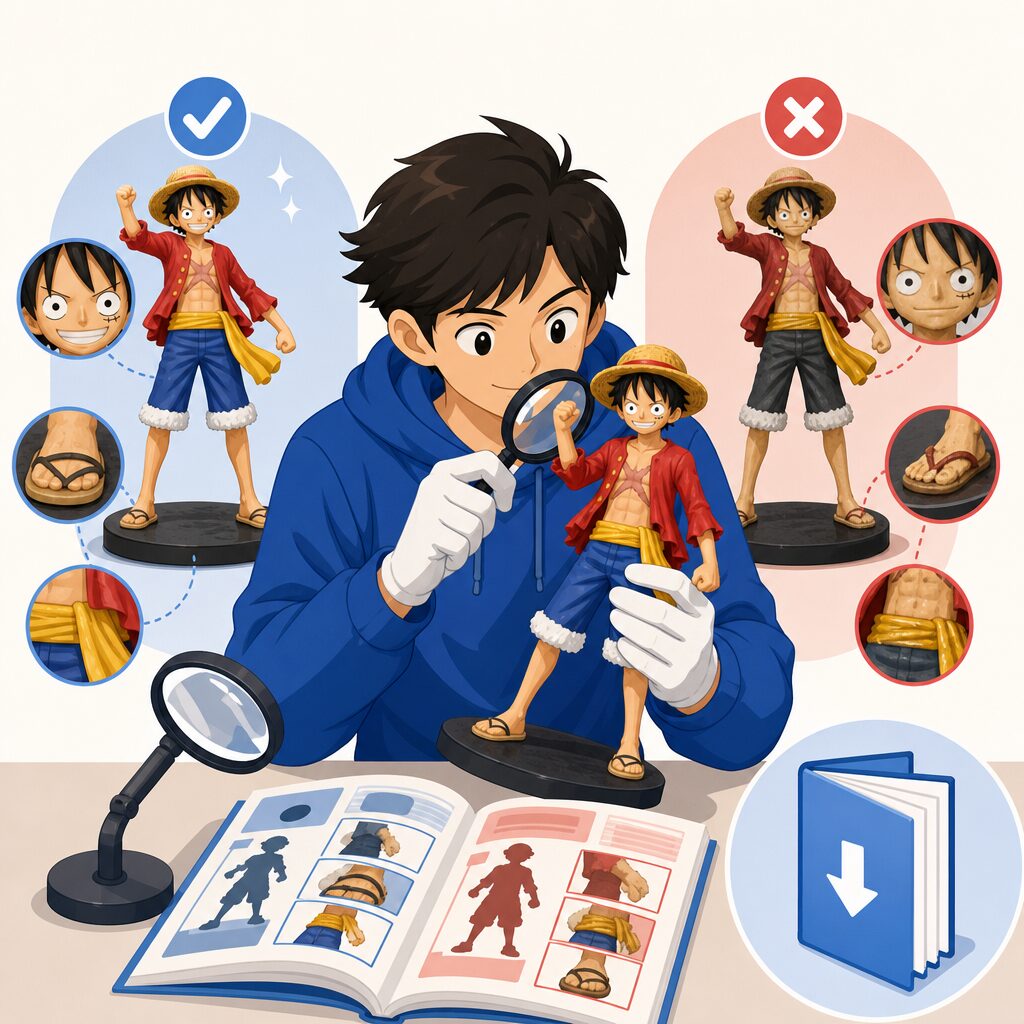
Download the free Japanese Figure Authenticity Guide (PDF) →
The complete checklist we use in-house, in a printable format.
コメント