Counterfeit Hatsune Miku figures have become sophisticated enough that even seasoned collectors can be fooled by a quick glance at a listing photo, which is why knowing exactly what to inspect before handing over money has never been more important. The Miku secondary market has swelled alongside Vocaloid’s continued global reach, and with prices for discontinued Good Smile Company, Max Factory, and Alter releases climbing year after year, bootleggers have poured resources into replicating not just the sculpt but the boxes, stickers, and paperwork that once made authentication straightforward. This guide breaks down the practical checkpoints collectors and Japan-based inspection staff rely on when verifying a figure: the Crypton Future Media licensing marks, manufacturer logos, holographic distribution stickers used in the Japanese domestic market, packaging print quality, paint application standards, seam alignment, and the small production details that recasters consistently get wrong. Each section pairs the criteria with references to authenticated inventory examples, so the visual cues stay grounded in real product rather than abstract description. Readers will come away able to evaluate a figure from online photos with more confidence, ask sellers the right follow-up questions, and recognize the warning signs that separate a licensed release from a factory reject, a gray-market recast, or an outright counterfeit. Whether the goal is buying a first Nendoroid or investing in a rare scale figure, these checks help protect both the wallet and the long-term value of a growing collection.
Because Hatsune Miku is one of the most collected franchises, it is also one of the most copied. This guide walks through the checks collectors commonly use to evaluate authenticity and condition — the same points our staff in Japan look at when inspecting every item before it ships.
- Official Markings and Licensing Stickers: Your First Clue
- Packaging and Print Quality: A Window into Authenticity
- Paint Application, Seams, and Material Tells: The Figure Itself
- Common Bootleg Red Flags for Hatsune Miku Merchandise
- Japanese Secondhand Condition Grading: Understanding the Scale
- How to Buy Safely from Japan: Tips for Collectors
- Free Download: Our Full Authenticity Guide (PDF)
- Frequently Asked Questions
- How Our Japan-Side Inspection Process Works
Official Markings and Licensing Stickers: Your First Clue

When evaluating a Hatsune Miku figure or merchandise, one of the most immediate indicators of authenticity can be found in the official markings. Legitimate products from manufacturers like Good Smile Company, Max Factory, Alter, or SEGA are typically licensed by Crypton Future Media, the rights holder for Hatsune Miku. You should commonly look for the official Crypton Future Media logo, often accompanied by a copyright notice.
Furthermore, major manufacturers usually include their own logos and product information on the packaging. For items sold within Japan, you might also find specific Japanese-market licensing stickers, sometimes holographic, that confirm distribution channels. It’s a useful signal to familiarize yourself with the typical stickers and logos associated with reputable figure brands, keeping in mind that these can evolve over time and vary by region or specific product line.
Packaging and Print Quality: A Window into Authenticity

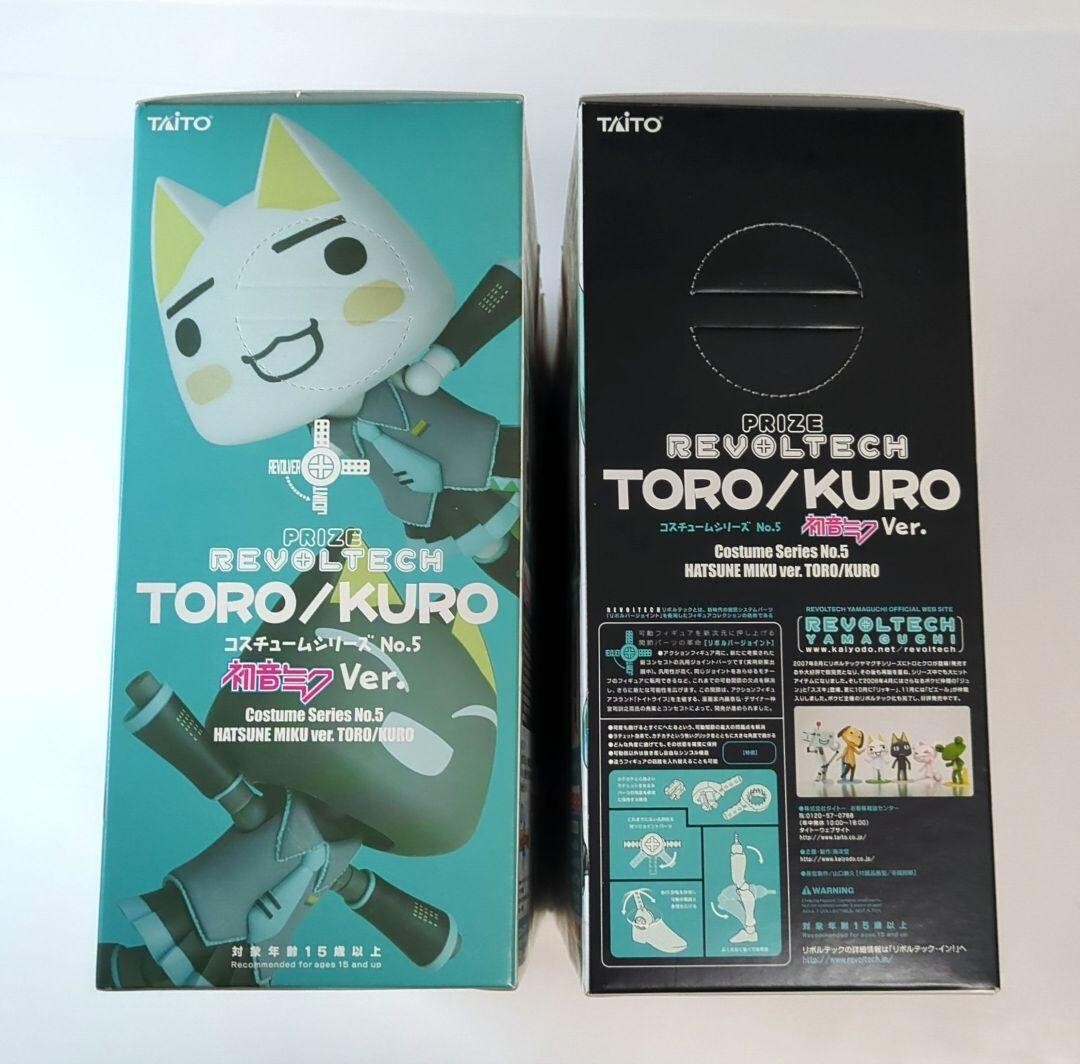
The packaging itself can offer valuable insights into a product’s legitimacy. Authentic Hatsune Miku figures typically come in high-quality packaging with crisp, clear printing, vibrant and consistent colors, and well-reproduced artwork. The text, whether in Japanese or English, should be sharp and free from typos or grammatical errors. Examine the cardboard quality; genuine boxes often feel sturdy and well-constructed, designed to protect the valuable contents.
In contrast, counterfeit items frequently exhibit tell-tale signs of poor production. These can include blurry images, pixelated artwork, faded or incorrect color palettes, flimsy cardboard, and poorly translated or misspelled text. A misaligned barcode or product information that doesn’t match the figure within can also be a red flag. Pay close attention to the overall presentation; a cheap-looking box often houses a cheap-quality product.
Paint Application, Seams, and Material Tells: The Figure Itself

Once you have the figure in hand, a detailed inspection of its physical attributes is paramount. Genuine Hatsune Miku figures boast superior craftsmanship. Look for smooth, even paint application without overspray, smudges, or uneven lines, especially on intricate details like the eyes and hair. Seams where different parts of the figure connect should be tight and nearly invisible, with minimal or no visible mold lines or flashing (excess plastic).
The materials used also play a significant role. Authentic figures typically utilize high-quality PVC and ABS plastics with appropriate textures and finishes, giving them a specific weight and feel. Bootlegs, on the other hand, might feel lighter, be made of cheaper, brittle plastic, or have an unnatural sheen. You might observe poor articulation, loose joints, or figures that struggle to stand correctly. These subtle material and construction differences are often strong indicators of authenticity.
Common Bootleg Red Flags for Hatsune Miku Merchandise

Several common red flags can alert collectors to potential bootleg Hatsune Miku merchandise. One of the most obvious is a price that seems significantly lower than market value; if a deal appears too good to be true, it often is. Be wary of sellers who use generic stock photos or stolen official images without showing the actual product being sold. Sometimes, packaging might be excessively plain, lacking character art, or arrive in a simple brown box without proper branding.
Other warning signs include listings that pre-sell figures long before their official announcement or release date, or descriptions that claim items are “factory rejects,” “samples,” or “unlicensed replicas.” Sellers with a history of negative feedback concerning authenticity or quality issues, particularly from new or low-feedback accounts, should also prompt caution. Trust your instincts; if something feels off about a listing or seller, it’s often wise to investigate further.
Japanese Secondhand Condition Grading: Understanding the Scale

When purchasing secondhand figures, especially from Japan, understanding the condition grading system is essential. Sellers commonly use a standardized scale: Unopened/New typically means the box seal is intact, though minor box wear due to storage might still occur. Grade A usually indicates excellent condition with perhaps minor box damage or extremely subtle figure imperfections not immediately visible. Grade B suggests good condition, with potentially minor scuffs, light paint transfers, or noticeable box wear.
Grade C figures will likely have noticeable flaws, such as more significant paint chips, scuffs, missing accessories, or extensive box damage. Finally, Junk (ジャンク) grade implies significant damage, broken parts, or missing major components, often intended for parts, customization, or repair. Always check the seller’s specific description and photos, as interpretations can vary slightly. A reputable seller will provide clear details for each grade.
How to Buy Safely from Japan: Tips for Collectors

To ensure a safe and satisfying collecting experience for Hatsune Miku figures, especially when buying from Japan, research is your best friend. Prioritize purchasing from well-established and reputable stores or sellers known for their authenticity and customer service, such as hdtoysjapan.com. Always check seller reviews and feedback, specifically looking for comments on product authenticity and condition accuracy.
Don’t hesitate to ask sellers for additional photos of the actual item, particularly from different angles or close-ups of potential flaw areas. Familiarize yourself with typical market prices for the figures you’re interested in; this helps in identifying suspiciously low prices. Understand the seller’s return policy and use secure payment methods. Being an informed buyer, coupled with patience and due diligence, can significantly reduce the risk of receiving counterfeit or misrepresented items.
Disclaimer: This guide shares general knowledge points that collectors commonly use to evaluate items. It is educational content, not a formal authentication service, and individual items should always be judged on their own evidence. Details can vary by production run and era.
Free Download: Our Full Authenticity Guide (PDF)
Download the free Japanese Figure Authenticity Guide (PDF) →
The complete checklist we use in-house, in a printable format.
Frequently Asked Questions
How can I tell if a Hatsune Miku figure is a bootleg?
Check the manufacturer and copyright markings moulded into the base or the back of the figure, compare paint edges and seam lines against official product photos, and look at the print quality of the box. Bootlegs usually fail on several of these at once, not just one.
Is a cheap listing automatically a fake?
No. Price on its own proves nothing — genuine pieces sell cheaply when they are opened, incomplete or from an over-produced run. Judge by markings, finish and packaging rather than by price.
What should I ask a seller for before buying?
Ask for photos of the base markings, the box barcode and any damage in natural light. A seller who handles the item themselves can take these quickly; stock-photo-only listings are the ones worth questioning.
What does Japanese secondhand condition wording mean?
Japanese listings grade strictly: a piece described as used can still be display-quality, while notes about yellowing, paint transfer or box crush are stated explicitly rather than glossed over. Read the condition notes as literal, not as sales copy.
How Our Japan-Side Inspection Process Works
Before a pre-owned collectible is offered to an overseas buyer, the useful evidence is recorded item by item rather than inferred from a stock photo. The inspection sequence covers the exact product and version, box and seal condition, visible paint or material issues, included parts, and identifying marks such as maker, scale, copyright line, or JAN where available.
- Identity: compare the item, maker, scale, version and distinctive details with reliable reference data.
- Completeness: confirm the figure, base, accessories, inserts and box shown for that individual unit.
- Condition: photograph wear, fading, dents, odor notes or missing parts instead of hiding them behind a generic grade.
- Listing evidence: keep the item-specific images and facts together so the buyer can review the same evidence used during inspection.
This process reduces avoidable mismatches, but it is not a third-party authentication certificate; buyers should review every listing’s photographs and disclosed condition.

コメント