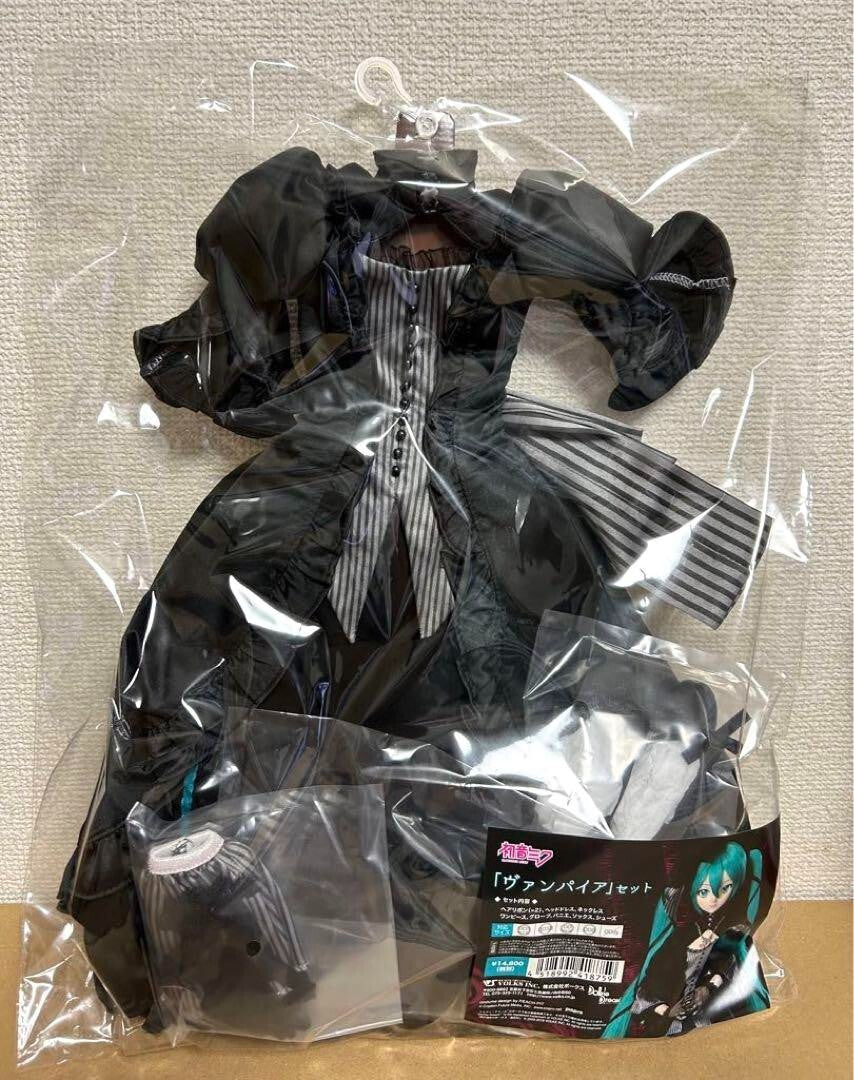
Because Hatsune Miku is one of the most collected franchises, it is also one of the most copied. This guide walks through the checks collectors commonly use to evaluate authenticity and condition — the same points our staff in Japan look at when inspecting every item before it ships.
Official Markings and Licensing Stickers

On authentic Hatsune Miku goods and accessories, you’ll commonly find a printed or embossed copyright line referencing the rights holders — typically something like “© Crypton Future Media, INC. www.piapro.net” for standard Miku merchandise, or additional studio credits (such as Good Smile Company, Max Factory, SEGA, FuRyu, Taito, or Bandai Spirits) depending on the manufacturer. This marking is often molded into the base of figures, printed on the underside of accessories, or included on the box near the barcode.
A useful signal is that authentic markings tend to be crisp, correctly spelled, and consistently placed across a product line. Prize (景品) items from arcades usually carry a “Not for Sale” (非売品) notice along with the prize distributor’s name. Missing copyright text, garbled URLs, or generic “Vocaloid” credits without the Crypton attribution are commonly considered warning signs worth investigating further.
Packaging and Print Quality

Genuine Miku packaging is often printed on sturdy card stock with sharp, saturated color reproduction — her signature teal (close to #39C5BB, sometimes referred to as “Miku green”) should appear consistent across the front art, side panels, and window frame. Authentic boxes commonly include Japanese text, product spec tables, safety warnings, and a JAN barcode; many also feature the manufacturer’s logo embossed or foil-stamped on a corner.
On the interior, look for a clear blister tray that fits the figure snugly, tissue or plastic wrap around delicate parts like twintails, and — for scale figures — a separate polybag for the base or accessories. Blurry printing, off-register colors, thin flimsy cardboard, or English-only text on what should be a Japan-market release are red flags collectors commonly flag when comparing against known-authentic examples.
Paint, Seams, and Material Tells

Authentic Miku figures typically show clean paint application on small details like her eyes, tie stripes, and hair gradients. Eye printing on genuine pieces is usually sharp with visible highlights and no bleeding into the whites; the teal-to-darker-teal hair shading is commonly smooth rather than blotchy. Seam lines exist even on official pieces, but they tend to be minimal and placed along logical joints, with no rough plastic flash sticking out.
Material feel is another useful checkpoint. PVC parts on authentic figures generally feel firm but slightly flexible, ABS bases feel solid, and Nendoroid face plates commonly have a smooth matte finish with precise printing. Overly greasy plastic, chemical odor, warped twintails out of the box, or a noticeably lighter overall weight compared to reference photos are traits often associated with unauthorized copies.
Common Bootleg Red Flags for Miku Merchandise
Because Hatsune Miku is one of the most bootlegged characters in the hobby, certain patterns come up repeatedly. Recasts of popular scale figures (particularly older Max Factory and Good Smile Company releases) commonly show duller hair color, simplified face printing with dead-looking eyes, and bases that are missing the original copyright stamp. Nendoroid bootlegs often arrive in boxes with slightly wrong proportions, low-resolution back-panel photos, and face plates that don’t seat properly on the head.
For plush, acrylic stands, and smaller accessories, watch for missing hologram stickers where the original had one, tag text in the wrong language, and prices that seem far below typical secondhand market rates. Listings that use only stock photos, avoid showing the copyright markings, or ship from regions with no licensing presence are commonly treated with extra caution by experienced collectors.
Japanese Secondhand Condition Grading
Japanese resellers commonly use a tiered grading system that’s helpful to understand before buying. Unopened (未開封) means the box is still factory-sealed, though collectors should note that seals on older Miku figures may have naturally loosened. A rank generally indicates an opened item in excellent condition — displayed carefully with minimal wear, complete accessories, and box included. B rank typically means visible signs of display or handling: light box wear, minor paint rubs, or slight yellowing on white parts, which is common on older Miku releases.
ced. C rank usually indicates noticeable damage, missing small accessories, or significant yellowing/discoloration. Junk (ジャンク) items are sold as-is with major issues — broken parts, heavy yellowing, or missing bases — and are often priced accordingly for parts or restoration projects. Reputable Japanese sellers commonly photograph flaws directly and note whether the original box, blister, and paperwork are included.
Disclaimer: This guide shares general knowledge points that collectors commonly use to evaluate items. It is educational content, not a formal authentication service, and individual items should always be judged on their own evidence. Details can vary by production run and era.
Free Download: Our Full Authenticity Guide (PDF)
Download the free Japanese Figure Authenticity Guide (PDF) →
The complete checklist we use in-house, in a printable format.
Frequently Asked Questions
How can I tell if a Hatsune Miku figure is a bootleg?
Check the manufacturer and copyright markings moulded into the base or the back of the figure, compare paint edges and seam lines against official product photos, and look at the print quality of the box. Bootlegs usually fail on several of these at once, not just one.
Is a cheap listing automatically a fake?
No. Price on its own proves nothing — genuine pieces sell cheaply when they are opened, incomplete or from an over-produced run. Judge by markings, finish and packaging rather than by price.
What should I ask a seller for before buying?
Ask for photos of the base markings, the box barcode and any damage in natural light. A seller who handles the item themselves can take these quickly; stock-photo-only listings are the ones worth questioning.
What does Japanese secondhand condition wording mean?
Japanese listings grade strictly: a piece described as used can still be display-quality, while notes about yellowing, paint transfer or box crush are stated explicitly rather than glossed over. Read the condition notes as literal, not as sales copy.

コメント