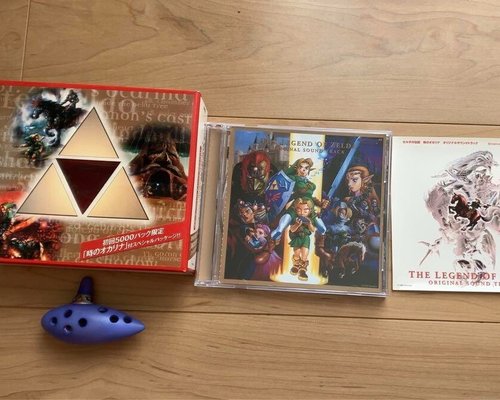
This article covers three things: the background of this Ocarina of Time soundtrack CD, what collectors check when evaluating a disc of this age, and practical tips for buying one. Music collectibles occupy a special place on a Zelda shelf because they preserve the sound of the games outside the cartridge itself. This release is a limited CD from Nintendo dating back to 1998, a Japanese pressing produced in the same era the game launched on the Nintendo 64. For collectors who want to pair the game with its music in physical form, that connection to the original launch period is the main appeal.
Japanese video game merchandise differs from international releases mostly in how it was packaged and distributed. Japanese CDs often feature Japanese-language liner notes, track listings, and printed inserts designed for the domestic audience. Many Japanese music releases also came with a paper obi strip wrapped around the case spine, which collectors treat as part of the complete package when it survives. A copy that has spent its life in Japan and moved through the Japanese secondhand market carries the character of its origin country rather than being a later reprint or import variant, a point the original listing makes directly (product reference).
Author: HD Body Science Editorial Team. Last reviewed: November 2026.

About This Item
This is the Legend of Zelda: Ocarina of Time Original Soundtrack, a CD release that invites listeners to step into the world of Hyrule through the game’s music. According to the product listing, this copy is the original 1998 Japanese pressing of the soundtrack, released as a limited item through Nintendo. As the title states, it is a CD format release, produced in Japan during the same era as the game’s launch on the Nintendo 64.
What makes this piece notable is not just the music on the disc but the path the disc itself has taken. A copy that has survived since 1998 and traveled through the Japanese secondhand market has a history that a newer reissue simply cannot replicate. For collectors, that continuity matters: it ties the object directly to the period when Ocarina of Time first reached players.
This copy is offered in pre-owned condition and was carefully inspected before listing. In my experience handling older Japanese CDs, the most informative details are found in the small things: the state of the inner tray, the printing on the disc face, and whether paper inserts have kept their crispness. We inspected this soundtrack with those points in mind, and the photos in this article show the case, disc, and printed materials so you can judge them for yourself.
Key Details
- Manufacturer: Nintendo
- Series/Franchise: The Legend of Zelda (Ocarina of Time)
- Type: Video Games
- Condition: Pre-owned, inspected before shipping
- Origin: Japan


The Legend of Zelda Franchise: Why Collectors Care
According to the franchise reference on Wikipedia (https://en.wikipedia.org/wiki/The_Legend_of_Zelda), The Legend of Zelda is a video game series created by Japanese game designers Shigeru Miyamoto and Takashi Tezuka. The same reference notes that the series is primarily developed and published by Nintendo, while some installments and re-releases have been outsourced to Flagship, Grezzo, and Tantalus Media. That long chain of development partners means the franchise spans many hardware generations, and collectors often build their shelves around a particular era or a particular game.
Ocarina of Time is closely tied to the Nintendo 64 era, and this soundtrack was produced in Japan during the same period as the game’s launch on that console. For collectors who focus on that generation, the soundtrack is a natural companion to the cartridge, the box, and the printed manual. The product listing describes this limited CD release as one of the defining music collectibles of the franchise, whether you are expanding a dedicated Zelda shelf, filling a gap in a Nintendo soundtrack collection, or looking for a piece of 1998 Japan to pair with your copy of the game.
There is also a practical reason music collectibles appeal to Zelda fans. Game cartridges are usually displayed, while soundtracks invite regular use. Putting on a CD brings the atmosphere of Hyrule into a room without powering up a console, and the physical case with its printed artwork gives the music a presence on the shelf. Collectors who appreciate the series as a whole, rather than one specific game, often find that soundtracks connect the different parts of their collection in a way that figures or guidebooks do not.
Rarity and Value Factors
Rather than making claims about scarcity, it is more useful to look at the factors that shape how collectors regard any older soundtrack CD. The first is the pressing itself. Collectors generally distinguish between an original pressing from the period and later reprints or import variants, and this copy is identified in its listing as the original 1998 Japanese pressing. The second is completeness: whether the case, disc, booklet, back insert, and any obi strip are all present. Paper components are the most easily lost or damaged, so their presence carries real weight.
The third factor is condition. A disc that plays cleanly with a bright, unscratched label is preferred over one with heavy surface marks, even if both play. Case condition matters as well, since cracked hinges or broken tray teeth affect display quality. Finally, storage history plays a role. Discs kept away from sunlight and humidity tend to retain sharper printing and stronger paper inserts. When we inspected this copy, we looked at each of these areas individually rather than giving a single overall impression, because collectors tend to care about specific details.


Looking for this item? Every item at HD Toys Store Japan is:
- Shipped directly from Japan with tracking
- Carefully inspected for condition and authenticity
- Pre-owned condition documented with detailed photos
Collector’s Guide: What to Look For
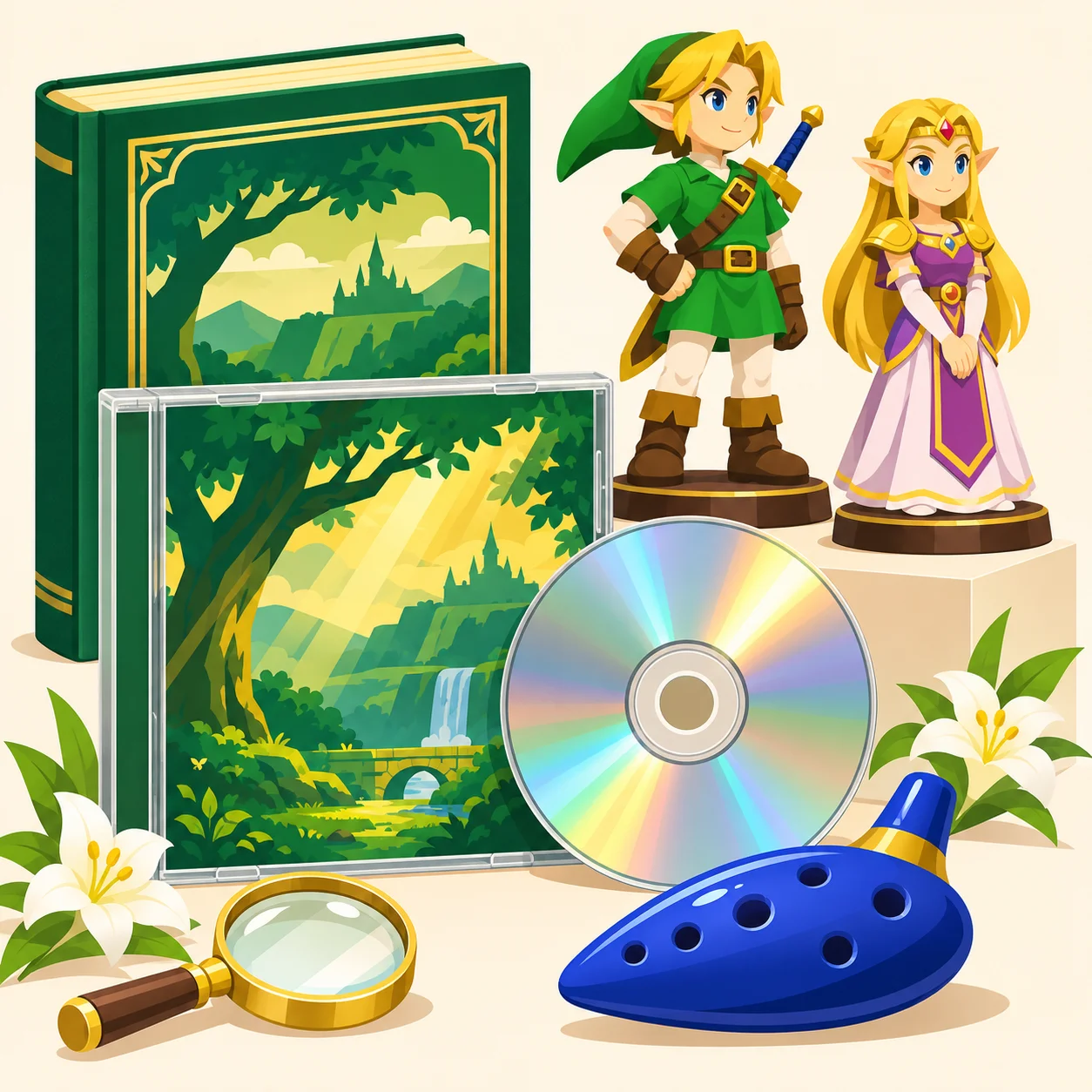
When buying a pre-owned soundtrack CD from the late 1990s, start by separating cosmetic issues from functional ones. Light scuffs on a jewel case are common and can often be solved by replacing the outer case, though some collectors prefer to keep the original. Disc condition, on the other hand, affects both playback and display, so it deserves the closest attention.
Hold the disc at an angle under a bright light and look at both sides. Fine hairline marks on the playing surface are typical of a used CD and usually do not affect playback, while deep scratches that catch a fingernail may. The label side deserves equal care: on many CDs the data layer sits close to the printed side, so scratches or pinholes there can be more serious than marks on the clear underside. Look through the disc toward a light source to spot any pinholes in the reflective layer.
Next, check the printed materials. Open the booklet slowly and look for loose staples, water stains, creasing along the spine, and any fading. Japanese inserts in particular are often printed on thin paper, which makes them more vulnerable to humidity. If an obi strip is present, check for tears at the folds, as that is where they typically fail. Ask the seller for close-up photos of anything you cannot see clearly. We have handled many older CDs where the case looked worn but the booklet and disc were in excellent shape, so judge each component on its own merits.
Condition Checklist
- Disc playing surface: Inspect under bright angled light for scratches, haze, or fingerprints. Hairline marks are common; deep gouges deserve questions before purchase.
- Disc label side: Check for scratches, flaking print, or pinholes visible when held up to a light, since damage on this side can affect the data layer.
- Booklet and inserts: Look for creases, staining, faded print, and loose staples. Confirm the back tray insert is present and not water damaged.
- Jewel case and tray: Check hinges, the clarity of the front panel, and whether the tray teeth still hold the disc securely.
- Packaging: Any obi strip, inserts, or original paper components add to completeness. Ask whether all printed parts came with the disc originally.

What Changes a Collector’s Interest
Completeness is usually the first thing collectors weigh. A soundtrack with its full set of printed materials feels like a finished object, while one missing its booklet or back insert feels like a partial piece. After completeness, collectors tend to look at the paper components, because these are the hardest to replace and the most sensitive to age. A crisp booklet with strong color suggests the item was stored away from light and moisture. Disc condition follows closely, especially for collectors who intend to listen to the music rather than keep it sealed away. Storage history ties these together: a seller who can describe how an item was kept, even in general terms, gives buyers a clearer picture. Small details like a smoke-free environment or storage in a closed shelf can influence how confidently a collector approaches a purchase.
If this soundtrack appeals to you, the most natural companion is a Japanese copy of Ocarina of Time for the Nintendo 64 itself. Pairing the game with its music creates a complete display from the same period, and the product listing specifically mentions pairing this CD with your copy of the game. Look for cartridges with their original box and manual, using the same condition principles described above.
Collectors who enjoy Nintendo music in physical form may also want to explore soundtrack CDs from other Zelda titles. Because the series spans many hardware generations, soundtracks from different entries show how the franchise’s sound has changed over time, and a row of Zelda CDs makes a coherent shelf display. Other Nintendo 64 era soundtracks are another direction, especially for collectors who focus on a single console generation.
Finally, Japanese printed materials such as strategy guides and promotional booklets for Ocarina of Time make a good complement to a soundtrack. They share the same Japanese printing style and help tell the story of how the game was presented to players at home. You can browse more collector guides on our blog for advice on evaluating these related items.


Why Buy Japanese Collectibles from Japan?
Japanese collectors are known for taking care of their items, and many keep CDs, games, and printed materials in their original packaging with every insert intact. Small components such as obi strips, registration cards, and folded inserts are often treated as part of the item rather than as disposable packaging. This habit is one reason older Japanese releases frequently surface with their paper components still present.
Buying from a seller based in Japan also means the item comes directly from the market where it was originally sold. For a piece like this soundtrack, which the listing describes as having traveled through the Japanese secondhand market, that origin is part of the story. A Japanese seller is also more likely to read the Japanese text on inserts and describe it accurately.
This soundtrack is shipped from Japan and carefully packed to protect the case and printed materials in transit. If you have questions about condition or completeness, please contact our team before purchasing, and refer to our returns policy for details on how we handle any issues after delivery.


Summary
The Ocarina of Time Original Soundtrack is a CD that connects directly to the period when the game reached Japanese players on the Nintendo 64, and this copy is identified as the original 1998 Japanese pressing released as a limited item through Nintendo. For a Zelda collector, it offers something a cartridge cannot: the music of Hyrule in a form you can hold, display, and play. This copy is in pre-owned condition, was carefully inspected, and will be shipped from Japan with attention to its printed materials. If you are building a Nintendo 64 era shelf or a dedicated Zelda music collection, it is a thoughtful piece to consider, and our team is happy to answer questions through our contact page.


Author: HD Body Science Editorial Team. Last reviewed: November 2026. Sources: product listing, The Legend of Zelda on Wikipedia.
Explore related collections
Never Miss New Arrivals from Japan
We add new pre-owned figures, toys, and collectibles every week. Sign up to get notified about new items, collector guides, and exclusive updates.
Free · No spam · Unsubscribe anytime
コメント