Because Gundam is one of the most collected franchises, it is also one of the most copied. This guide walks through the checks collectors commonly use to evaluate authenticity and condition — the same points our staff in Japan look at when inspecting every item before it ships.
Packaging and Print Quality

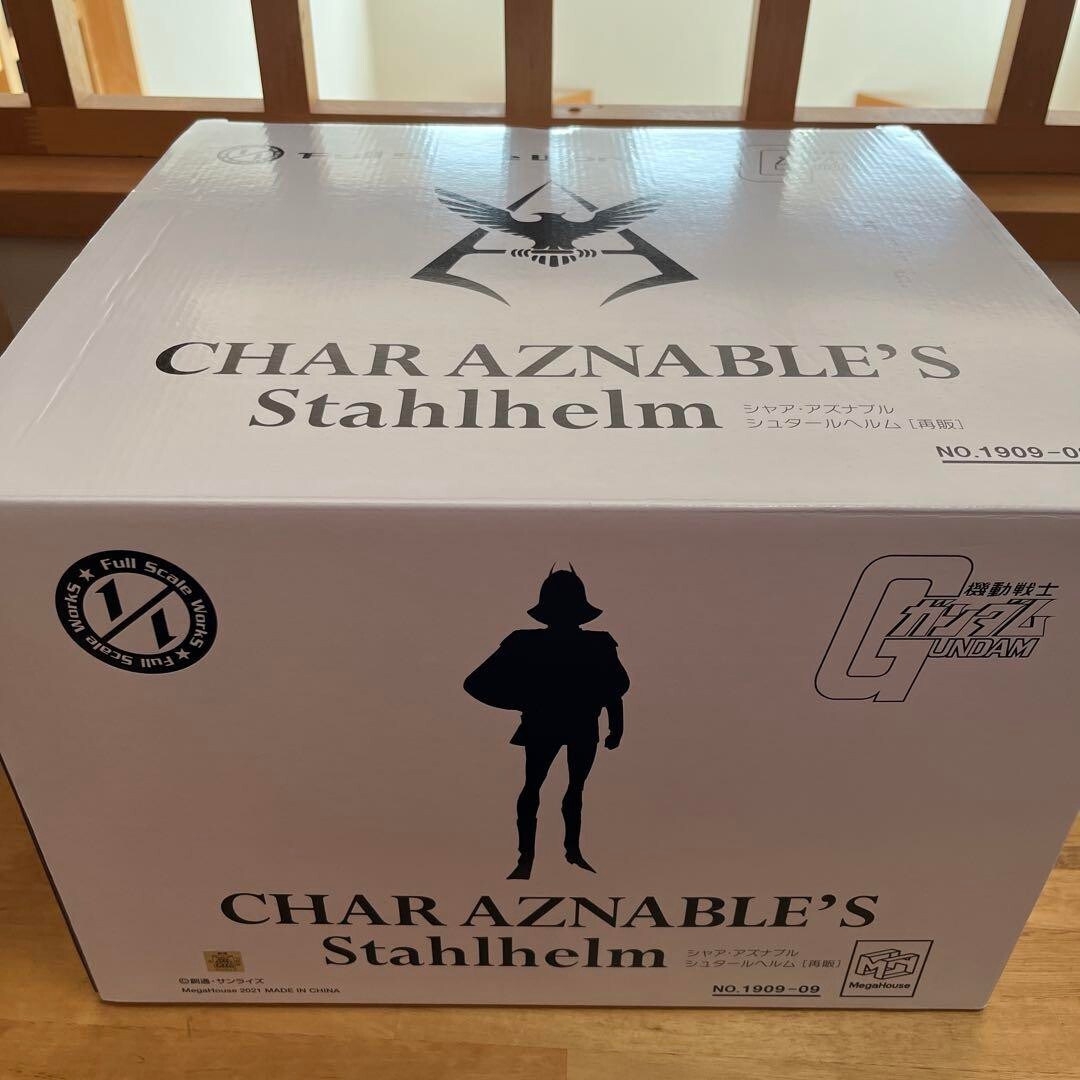
Genuine Bandai packaging is commonly recognized for crisp, high-resolution artwork, accurate color registration, and clean Japanese text. Collectors often check for sharp typography on the side panels, consistent gloss or matte finishes, and properly aligned barcodes. Blurry logos, off-center printing, dull colors, or spelling errors in katakana or English are frequent red flags.
Box construction is another useful tell. Authentic boxes tend to use sturdy cardboard with clean cut edges and factory-sealed flaps, while suspicious copies may feel thin, have visible glue residue, or show tape reseals that don’t match typical Japanese retail handling.
Paint, Seams, and Material Tells

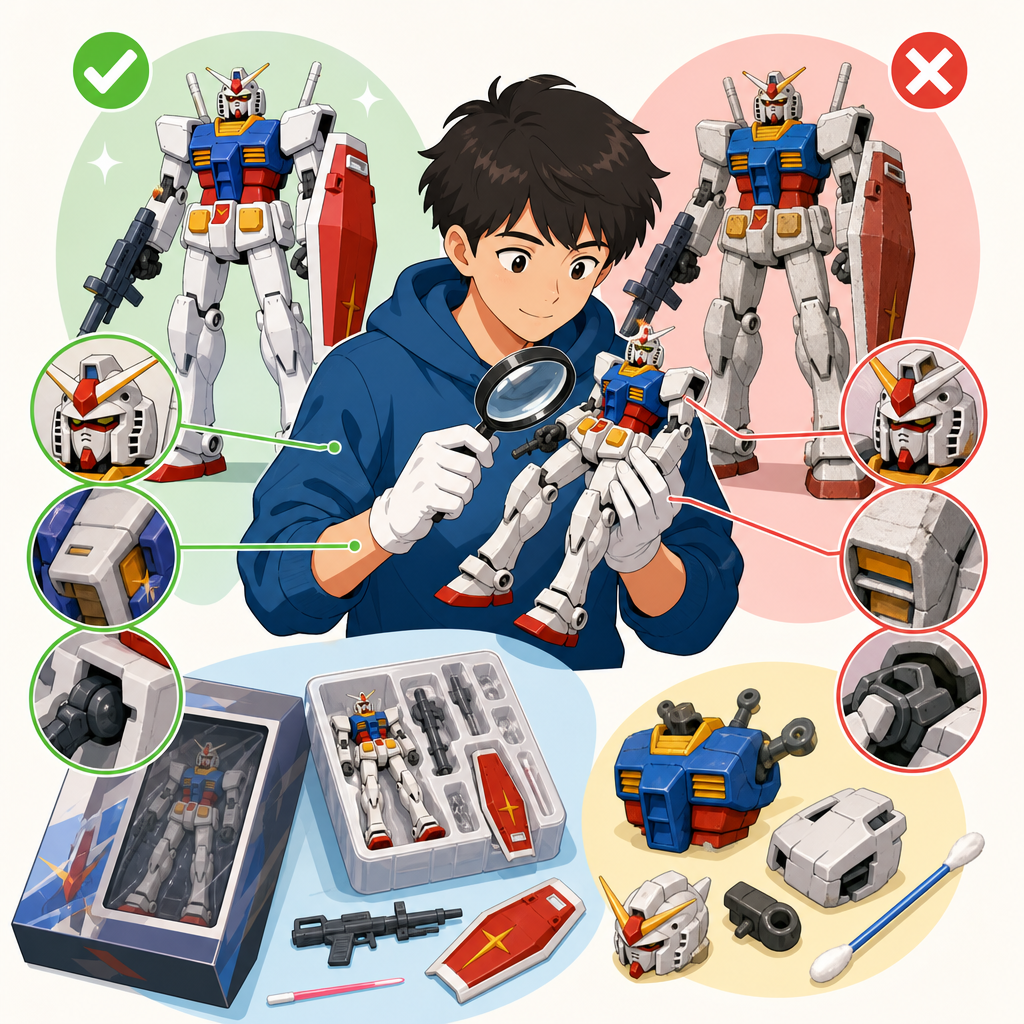
On assembled figures such as Gundam Fix Figuration, Robot Damashii, or Metal Build lines, authentic products commonly display tight seam lines, evenly applied paint apps, and consistent panel-line detailing. Sloppy paint bleed, mismatched plastic tones between parts that should match, or unusually light weight on die-cast lines can suggest a problem. Metal Build and Chogokin items in particular are often noted for their heft due to real die-cast content.
For Gunpla, genuine runners typically have clean gate cuts, legible letter tags, and plastic that snaps together with a firm, satisfying fit. Warped runners, greasy-feeling plastic, or parts that don’t align properly are commonly cited warning signs.
Common Bootleg Red Flags in the Gundam Market

Because Gundam is one of the most widely counterfeited franchises, collectors often watch for a few recurring issues. Suspiciously low prices on high-end lines like Metal Build, Metal Robot Spirits, or Perfect Grade kits are a frequent signal, as are listings that use only stock photos and avoid showing the actual box spine or copyright text. Instruction manuals printed on unusually thin paper, missing water-slide decals, or stickers replacing what should be tampo-printed markings can also indicate a reproduction.
Some bootlegs even reuse authentic-looking box art but include lower-quality contents inside. Requesting photos of the runners, inner tray, and manual before purchase is generally a sensible precaution.
Japanese Secondhand Condition Grading

Japanese resellers commonly use a rough grading scale that buyers should understand. Unopened (未開封) means the item is factory-sealed, though outer sleeves or shrink may show shelf wear. A rank typically indicates an opened item in excellent condition with all parts and accessories. B rank often means visible play wear, minor paint rubs, or a damaged box but a complete item. C rank generally signals notable damage, yellowing, or missing accessories.
Junk (ジャンク) is used for items sold as-is, often with broken parts, heavy discoloration, or incomplete contents. These grades are not standardized across every shop, so reading the specific condition notes and inspecting photos is always recommended.
Buying Safely from Japan

Purchasing from Japan-based sellers can be a reassuring path for Gundam collectors, since the domestic market is where most authentic stock originates. Look for shops that provide detailed photos of the actual item, disclose box condition and completeness, and clearly state whether decals or stickers have been used. Established secondhand specialists commonly inspect items before listing, which helps reduce the risk of receiving a bootleg or misgraded piece.
When in doubt, ask questions before ordering — a responsive seller who can share extra images of copyright marks, runners, or accessories is generally a good sign. No single check offers absolute certainty, but combining licensing verification, packaging inspection, and trusted sourcing is a well-established approach to collecting Gundam with confidence.
Disclaimer: This guide shares general knowledge points that collectors commonly use to evaluate items. It is educational content, not a formal authentication service, and individual items should always be judged on their own evidence. Details can vary by production run and era.
Free Download: Our Full Authenticity Guide (PDF)

Download the free Japanese Figure Authenticity Guide (PDF) →
The complete checklist we use in-house, in a printable format.
Frequently Asked Questions
How can I tell if a Gundam figure is a bootleg?
Check the manufacturer and copyright markings moulded into the base or the back of the figure, compare paint edges and seam lines against official product photos, and look at the print quality of the box. Bootlegs usually fail on several of these at once, not just one.
Is a cheap listing automatically a fake?
No. Price on its own proves nothing — genuine pieces sell cheaply when they are opened, incomplete or from an over-produced run. Judge by markings, finish and packaging rather than by price.
What should I ask a seller for before buying?
Ask for photos of the base markings, the box barcode and any damage in natural light. A seller who handles the item themselves can take these quickly; stock-photo-only listings are the ones worth questioning.
What does Japanese secondhand condition wording mean?
Japanese listings grade strictly: a piece described as used can still be display-quality, while notes about yellowing, paint transfer or box crush are stated explicitly rather than glossed over. Read the condition notes as literal, not as sales copy.
コメント