Because Sailor Moon is one of the most collected franchises, it is also one of the most copied. This guide walks through the checks collectors commonly use to evaluate authenticity and condition — the same points our staff in Japan look at when inspecting every item before it ships.
Official Markings and Licensing Indicators

On authentic Sailor Moon scale figures, collectors commonly look for a molded or printed copyright stamp somewhere on the base or on the underside of the figure. This typically reads along the lines of © Naoko Takeuchi and references the licensor (often Kodansha) alongside the manufacturer name — brands frequently seen in this space include Bandai, MegaHouse, Bandai Spirits (Tamashii Nations / Figuarts Zero), Banpresto, and Good Smile Company. The text is usually crisp, evenly recessed, and sits in a consistent spot for that specific release.
A useful signal is the presence of small licensing or holographic stickers on the box, which many Japanese manufacturers apply near the barcode or on a box flap. These stickers are often subtle rather than flashy, and their font, alignment, and placement tend to match other releases from the same brand. Missing, blurry, or oddly placed copyright text is worth investigating further, though absence alone does not confirm a fake.
Packaging and Print Quality

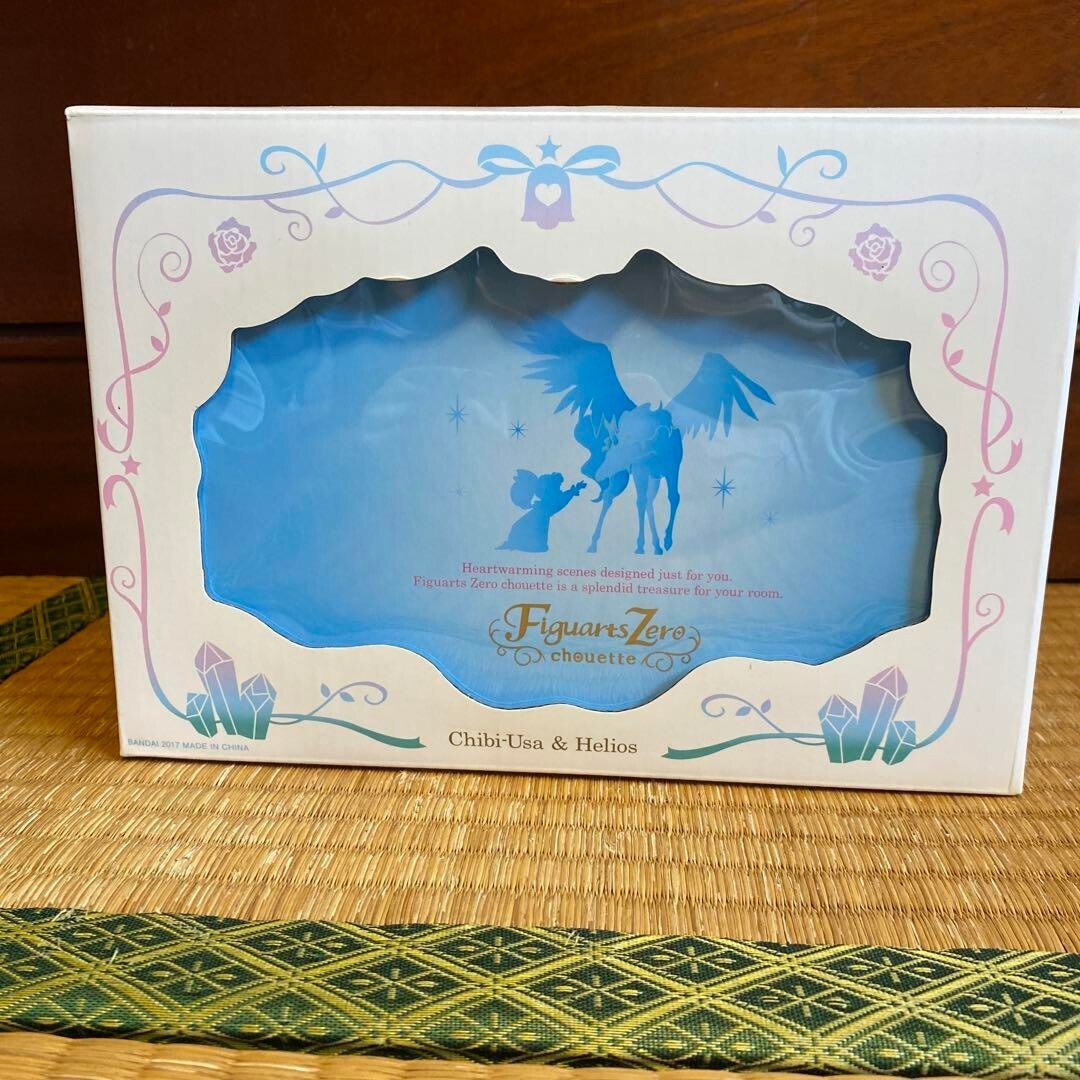
Genuine Sailor Moon scale figure boxes are commonly printed on sturdy cardstock with sharp, high-resolution artwork and clean Japanese text. On authentic pieces, the character illustrations, logo lockups, and series marks are usually well-registered, with no obvious color bleed, pixelation, or ghosting. Windowed boxes typically use clear PET plastic that is smooth and free of heavy scratches or cloudiness straight from the factory, and the inner blister tray tends to fit the figure snugly without excessive gaps.
Print details such as the manufacturer logo, barcode, and legal text on the back are often a helpful comparison point. On legitimate boxes these elements commonly appear at consistent sizes and positions across a product line, while suspicious copies may show slightly off fonts, faded colors, or a barcode that does not scan cleanly. Comparing your box side-by-side with official product photos from the manufacturer’s website is a practical check.
Paint, Seams, and Material Tells

On authentic Sailor Moon scale figures, paint application is usually clean along the edges of the sailor collar, skirt trim, tiara, brooch, and eye details. Face prints in particular tend to be sharp and symmetrical, with pupils, eyelashes, and lip color aligned to the sculpt. Hair partlines and seam lines from the mold are often present but generally minimized and neatly finished, and translucent parts (such as skirt layers or effect pieces) are commonly consistent in tint from one copy to another.
The PVC and ABS material on genuine pieces typically has a slight weight and a smooth, non-greasy feel, without a strong chemical odor. Sculpted details like ribbons, jewelry, and moon motifs are usually crisp rather than soft or melted-looking. Sloppy overspray, gritty paint, visibly mismatched skin tones between face and body, or heavy flash along seams can be indicators that warrant closer inspection.
Common Bootleg Red Flags for Sailor Moon Figures
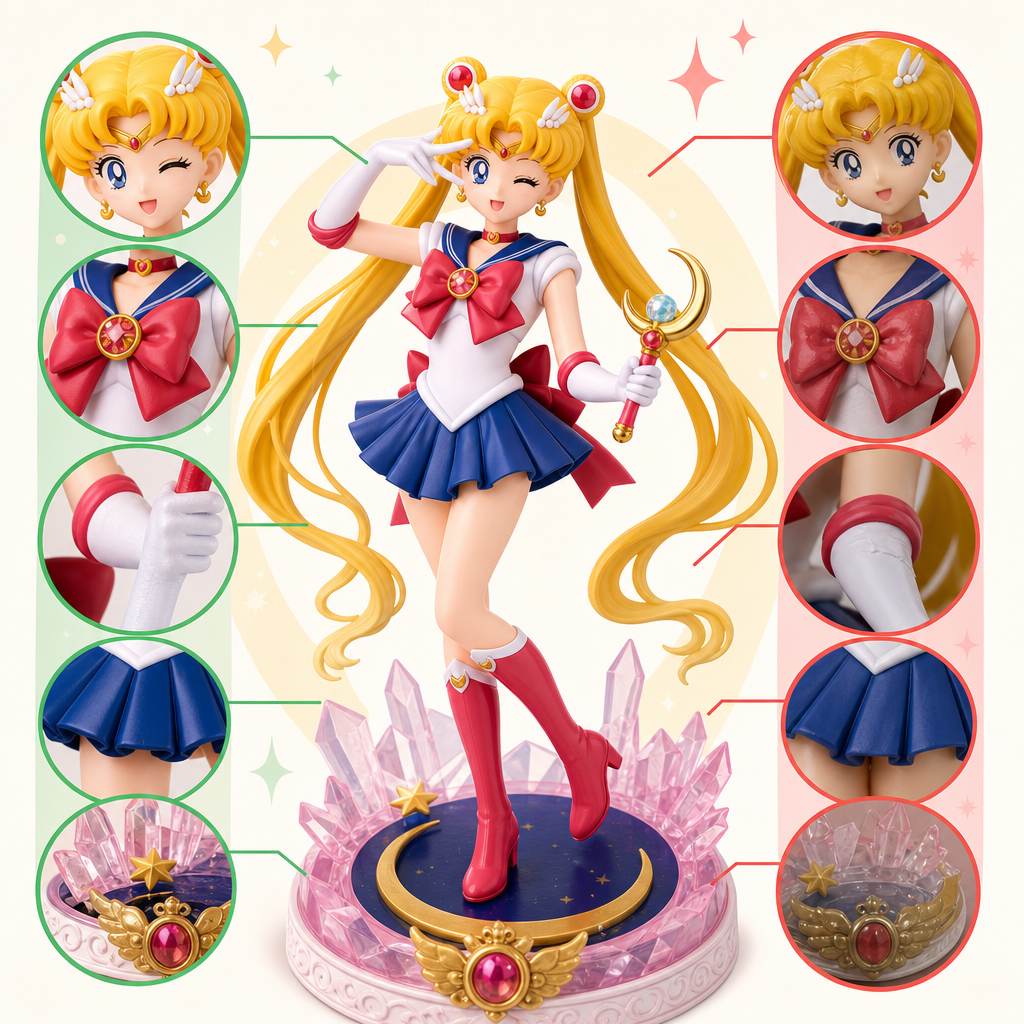
Because the franchise is highly popular, unlicensed copies do circulate. Frequently reported red flags include off-model faces (eyes that look slightly cross-eyed, wrong lash shape, or inaccurate hair color), duller or overly saturated paint, and bases that differ in shape or color from the official release. Bootlegs also commonly omit or garble the copyright line, use generic plain white boxes, or reproduce the original box art but with lower print resolution and slightly wrong dimensions.
Price and sourcing are additional signals. A brand-new, sealed scale figure offered far below typical Japanese secondhand market rates is often worth extra scrutiny, especially for sought-after releases like Figuarts Zero chouette, MegaHouse’s various Sailor Moon lines, or older Bandai releases. Cross-checking the seller’s other listings, requesting extra photos of the copyright stamp and box flaps, and comparing against official manufacturer photos are all sensible steps before buying.
Japanese Secondhand Condition Grading
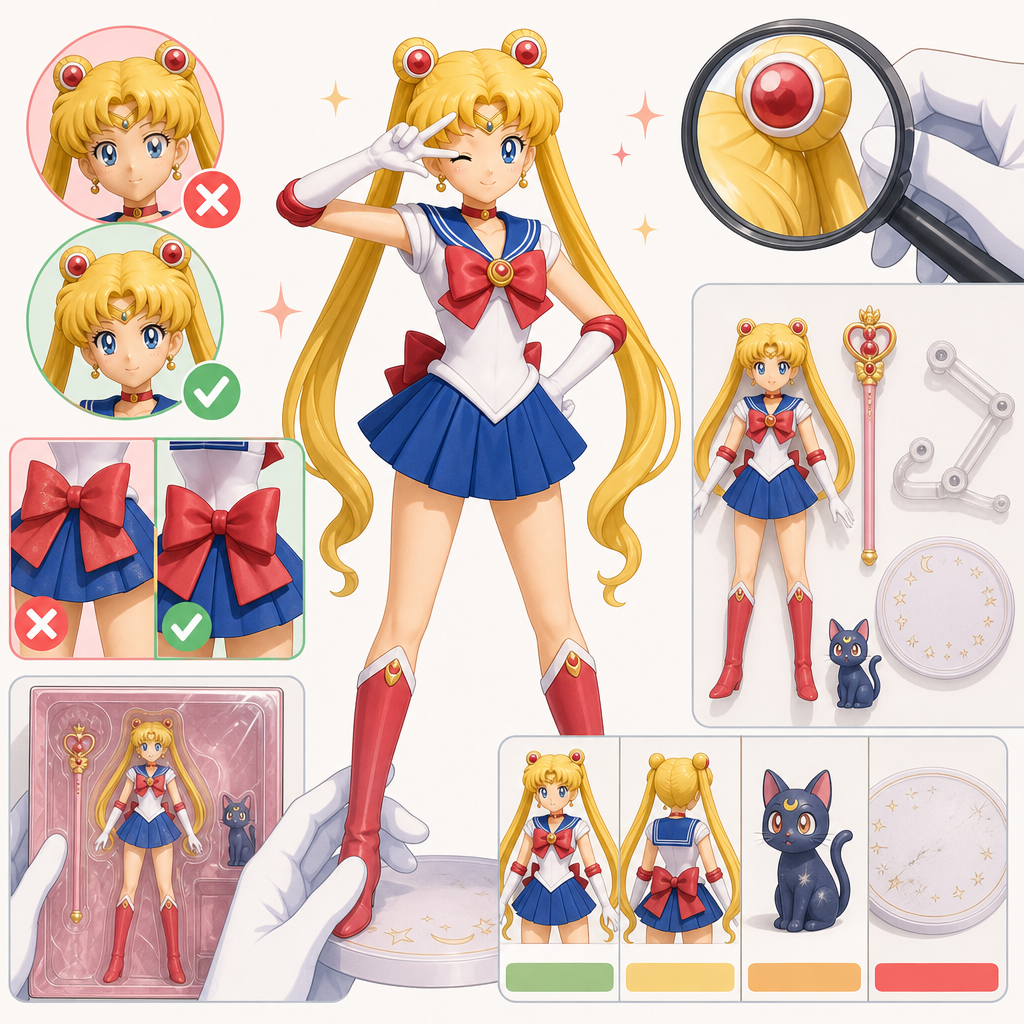
Japanese resellers commonly use a grading shorthand that helps set expectations. Unopened / Shinpin (新品) generally means the box is factory sealed and has not been opened, though outer sleeves or shrink may show minor shelf wear. A rank typically indicates an opened item in very good condition with the figure and accessories complete, minimal display wear, and a clean box. B rank often means noticeable signs of use such as light dust, minor paint rubs, small box dents, or a missing minor accessory.
C rank usually points to more significant wear, yellowing, or missing parts, while junk (ジャンク) commonly denotes items with major issues like breakage, heavy discoloration, or substantial missing pieces, sold as-is. These grades are not standardized across every shop, so reading the individual listing description and photos carefully is always recommended.
Buying Safely from Japan
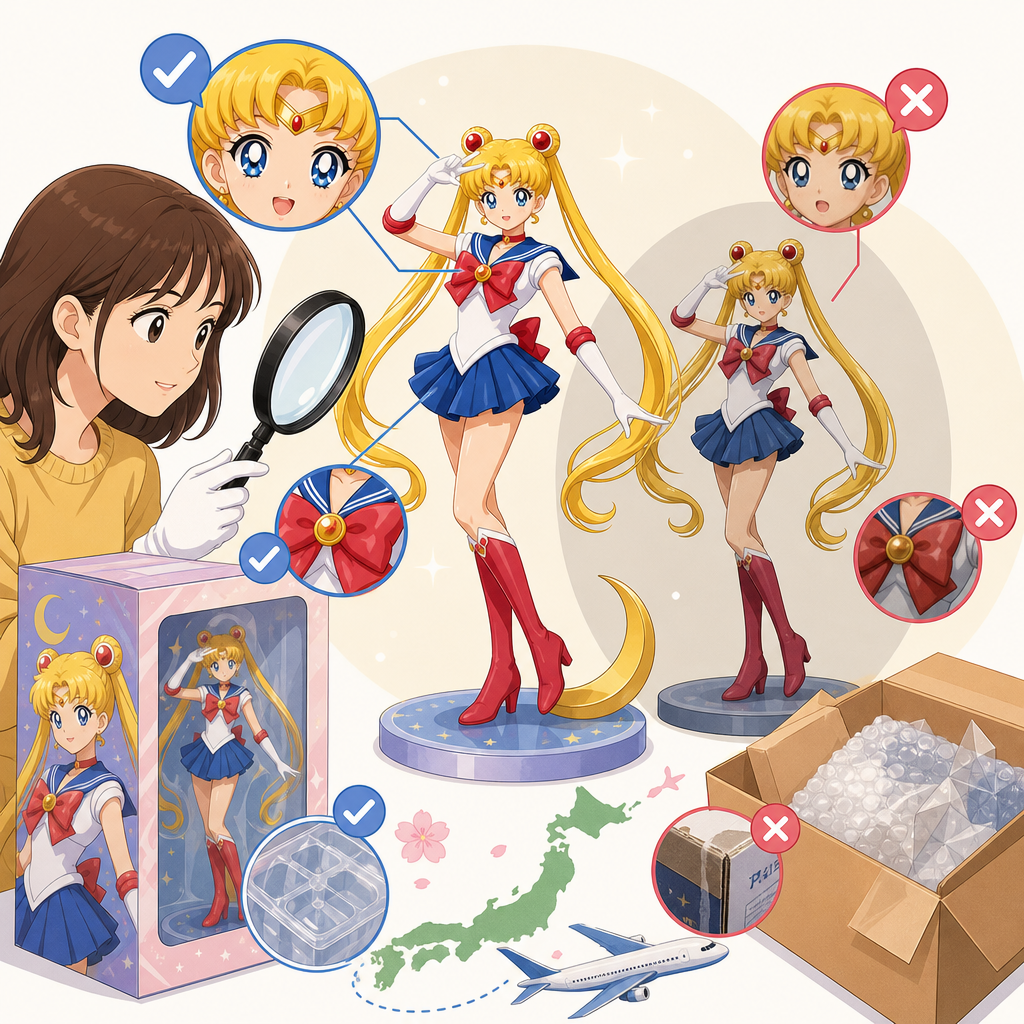
When sourcing Sailor Moon scale figures from Japan, buying from established secondhand specialists tends to reduce risk, since reputable shops commonly inspect items, note defects, and photograph the actual product being sold rather than using stock images. Look for listings that show the box from multiple angles, close-ups of the figure’s face and paint, and a clear shot of the copyright markings on the base. Detailed condition notes in the description are also a good sign of a careful seller.
It is often wise to confirm the manufacturer and release year against the official product page before purchasing, keep records of your order and packaging photos on arrival, and reach out to the shop promptly if something seems inconsistent. No visual check can absolutely confirm authenticity on its own, but combining marking checks, print quality, paint tells, price sanity, and trusted sourcing gives collectors a much stronger basis for confidence in their Sailor Moon figure purchases.
Disclaimer: This guide shares general knowledge points that collectors commonly use to evaluate items. It is educational content, not a formal authentication service, and individual items should always be judged on their own evidence. Details can vary by production run and era.
Free Download: Our Full Authenticity Guide (PDF)
Download the free Japanese Figure Authenticity Guide (PDF) →
The complete checklist we use in-house, in a printable format.
Frequently Asked Questions
How can I tell if a Sailor Moon figure is a bootleg?
Check the manufacturer and copyright markings moulded into the base or the back of the figure, compare paint edges and seam lines against official product photos, and look at the print quality of the box. Bootlegs usually fail on several of these at once, not just one.
Is a cheap listing automatically a fake?
No. Price on its own proves nothing — genuine pieces sell cheaply when they are opened, incomplete or from an over-produced run. Judge by markings, finish and packaging rather than by price.
What should I ask a seller for before buying?
Ask for photos of the base markings, the box barcode and any damage in natural light. A seller who handles the item themselves can take these quickly; stock-photo-only listings are the ones worth questioning.
What does Japanese secondhand condition wording mean?
Japanese listings grade strictly: a piece described as used can still be display-quality, while notes about yellowing, paint transfer or box crush are stated explicitly rather than glossed over. Read the condition notes as literal, not as sales copy.
コメント